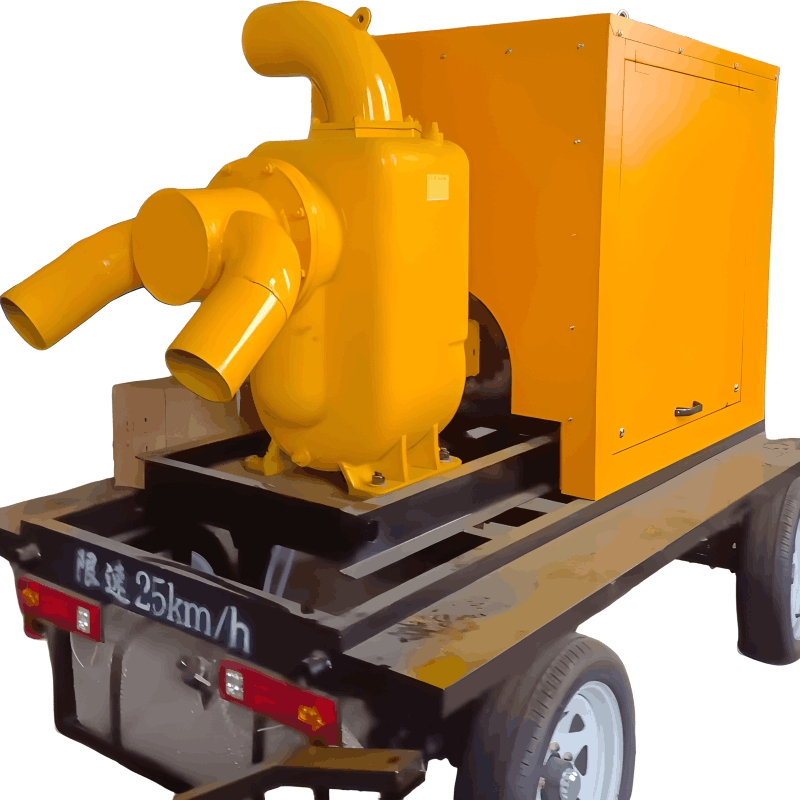
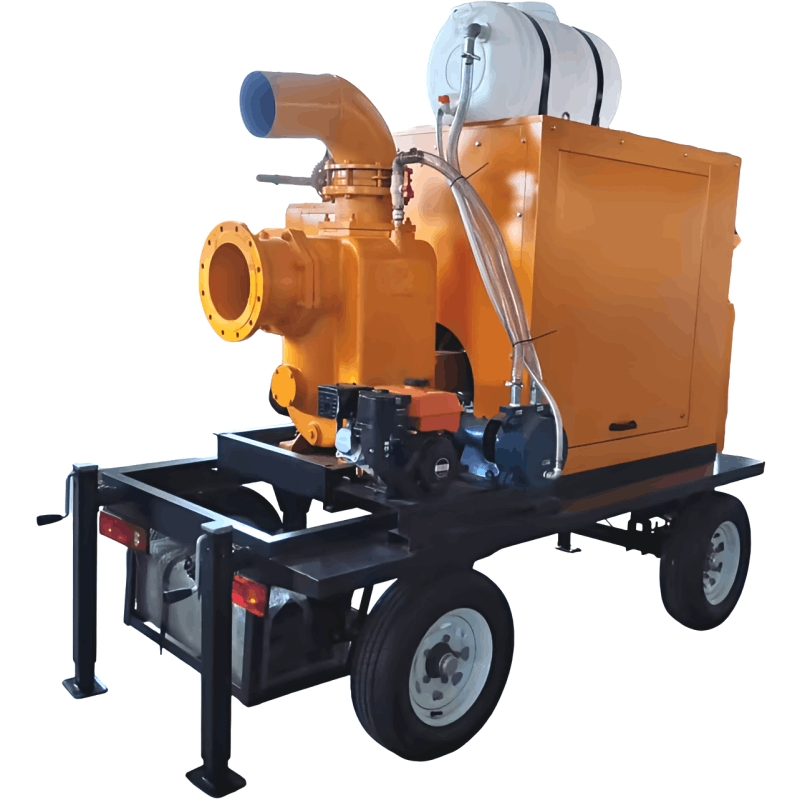
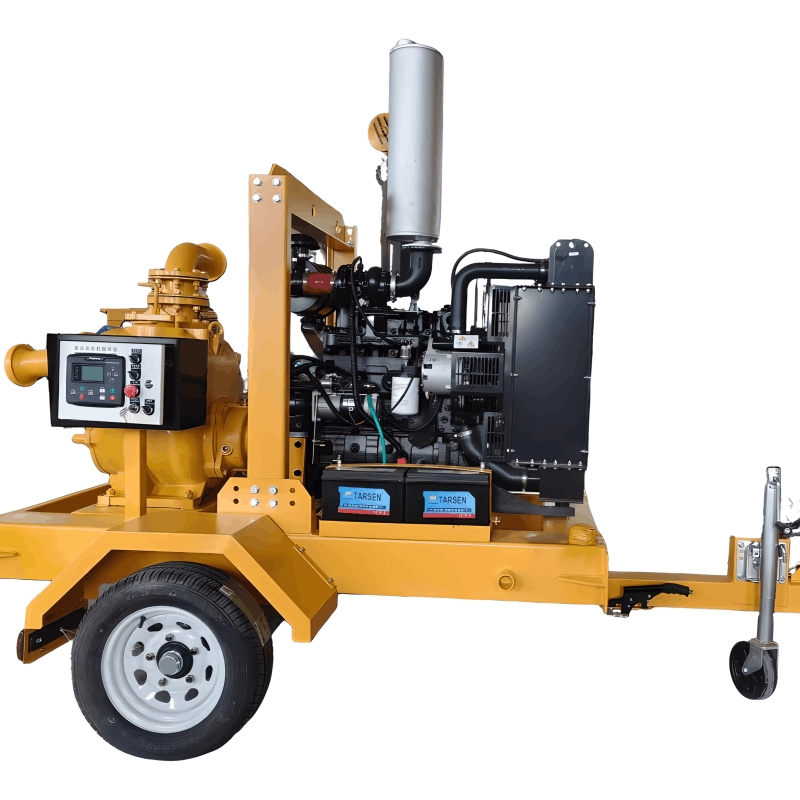
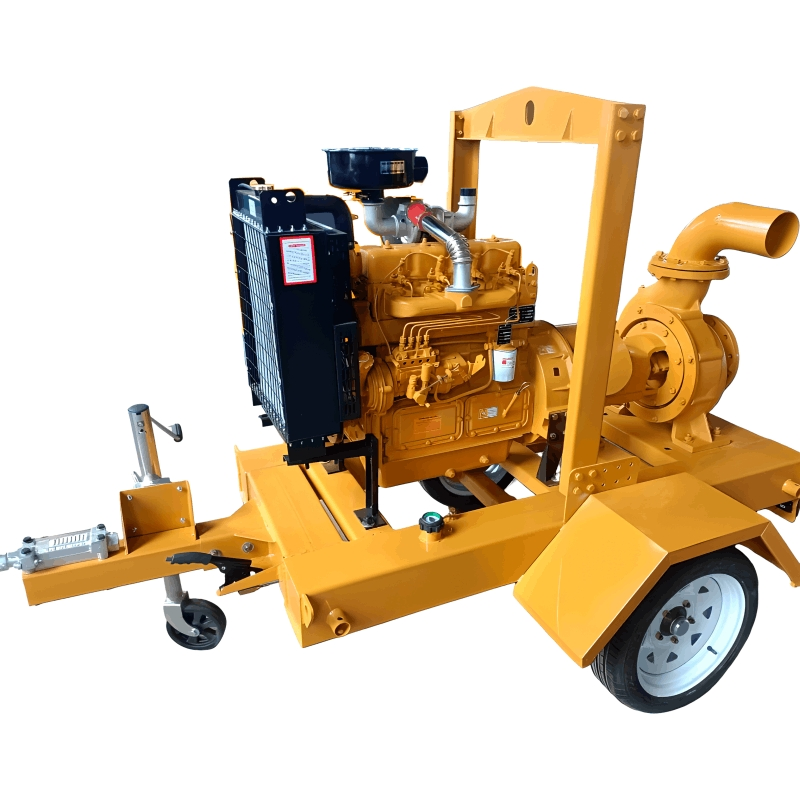
🏭 Profile
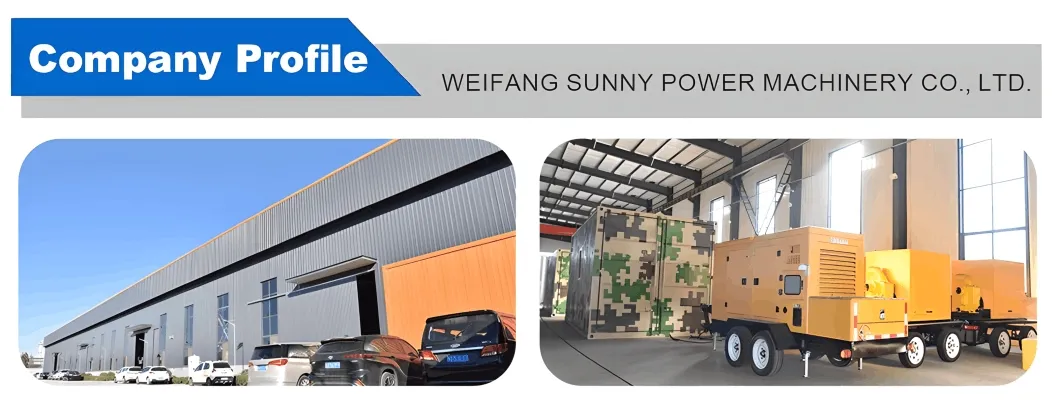
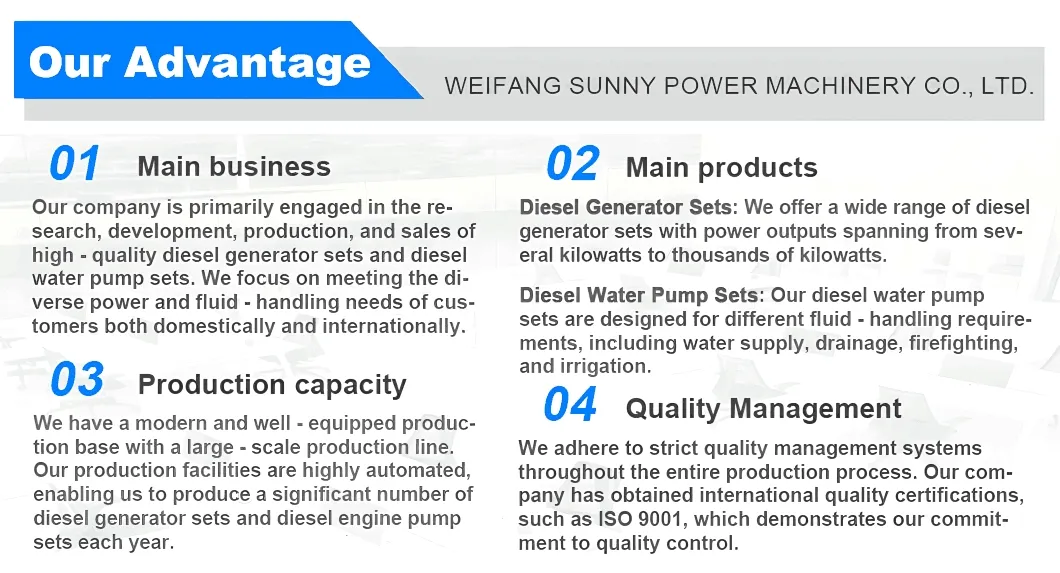
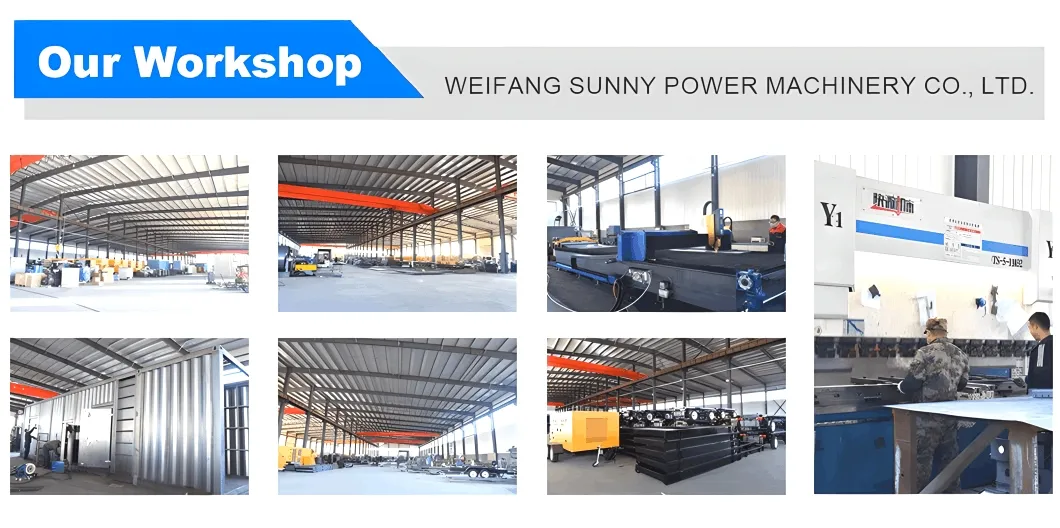
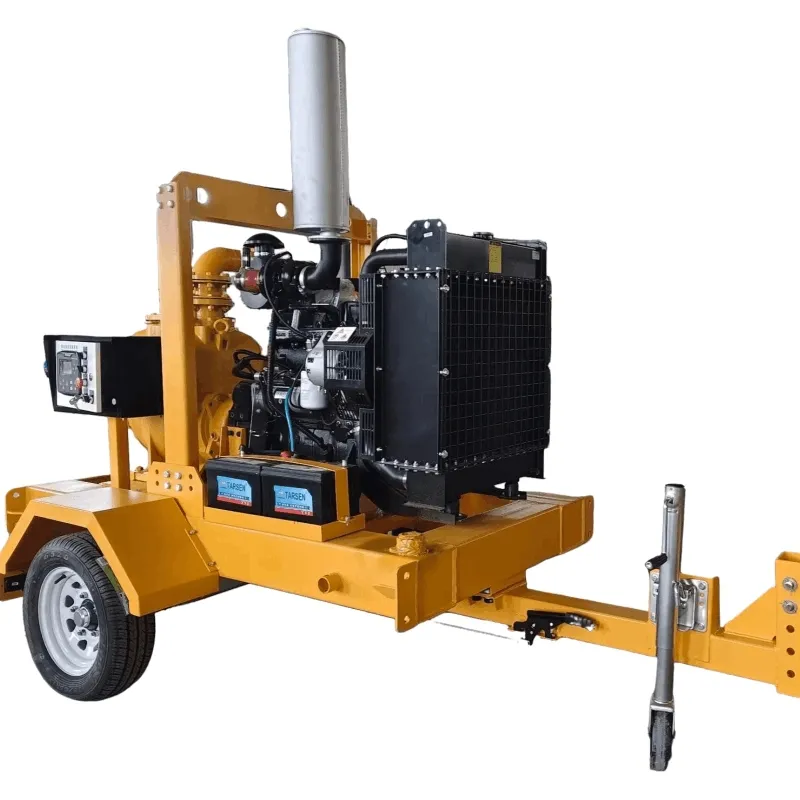
Located in a leading power industrial hub, our facility employs professional and experienced workers, supported by strong technology and advanced equipment. We have successfully formed a strict and perfect production procedure from design, production, testing, to after-service, which guarantees stable quality and technology innovation. Our processes are approved by ISO9001 and CE standards.
Owing to high quality and stable performance, we have established long-term cooperation with clients worldwide. Our main markets cover East European countries, American counties, Asia, Africa, and Australia.
❓ FAQ
How to choose a proper diesel water pump?
Assess the required flow rate and head according to your application. Consider the fluid type and pick a pump that can meet current and future demands. Also, check installation space and pipeline compatibility.
What factors should be considered for pump size?
Pump size relates to flow rate, head, and inlet/outlet caliber. Larger pumps handle higher flow and head. The caliber should match pipes for smooth flow and fit the available installation space.
How do I calculate the required Head (Lift Height)?
Head = vertical lift + friction losses. Measure the vertical height and estimate friction losses based on pipe length, diameter, and fittings using standard engineering formulas.
How to ensure proper power matching between engine and pump?
The engine power must overcome pump resistance at the required flow and head. Always refer to the manufacturer's power-requirement curve and consider drive system inefficiencies.
What are the standard startup procedures?
Check fuel and oil levels, prime the pump, and connect all pipes. Start the engine at idle, then gradually increase speed while monitoring pressure and flow levels.
What are the key daily maintenance tasks?
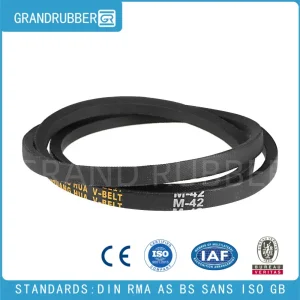
Before and after use, check fuel, oil, coolant, and pipes. Clean the air filter, inspect the impeller and belts for wear, and look for leaks. Flush the pump thoroughly if it has been used with dirty water.
 Met Health