The Canadian healthcare landscape is undergoing a profound digital transformation. As a vast nation with geographically dispersed populations—from the bustling urban centers of Toronto and Vancouver to the remote communities in Nunavut and the Northwest Territories—telehealth has shifted from a "convenience" to a "critical necessity." Manufacturers and suppliers in Canada are now focusing on robust, interoperable, and secure hardware that meets strict Health Canada regulations and PIPEDA data privacy standards.
Canada’s public healthcare system, guided by the Canada Health Act, increasingly incorporates virtual care to reduce the burden on emergency rooms. Suppliers like Met Health are providing the essential infrastructure—ranging from smart wearable cardiac monitors to multi-functional kiosks—that allows provincial health authorities to monitor patients in their homes, effectively "hospitalizing" the home environment for recovery and long-term care.
Enabling Canadians to access world-class diagnostics regardless of their postal code.
End-to-end encryption ensuring health data stays within Canadian borders as per provincial mandates.
Seamless integration with Canadian EMR systems like OSCAR and TELUS Health.
The Canadian telehealth market is driven by three major industrial trends: Aging in Place, AI-Driven Diagnostics, and Decentralized Clinical Trials. As the "Baby Boomer" generation ages, provinces like Quebec and Nova Scotia are investing heavily in "smart homes" equipped with IoT medical devices.
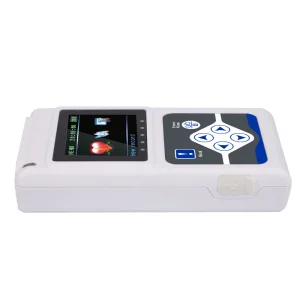
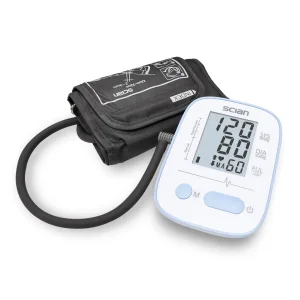
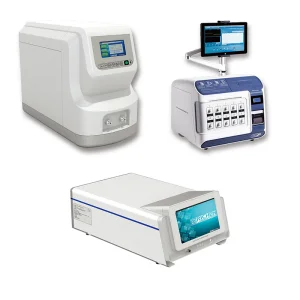
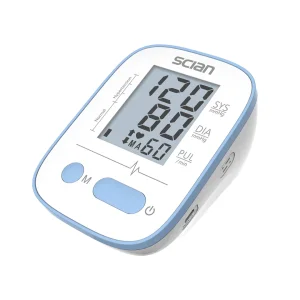
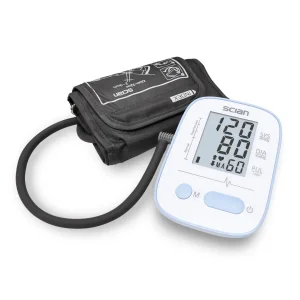
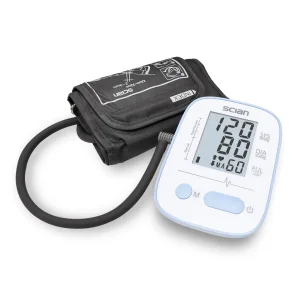
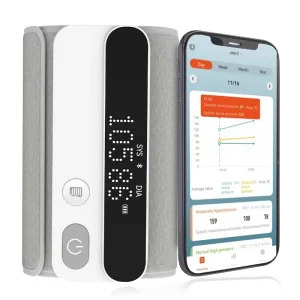
In regions with limited specialist access, manufacturers are supplying high-precision devices such as the Smart Wireless Holter and Connected Sphygmomanometers. These tools allow cardiologists in Toronto to monitor patients in rural Alberta in real-time, reducing the need for costly medical travel (Medevac).
The next generation of telehealth devices, such as the Cloud-Enabled C13 Breath Test Device, utilizes AI to provide preliminary diagnostic markers. Suppliers are now focusing on "Edge Computing," where the device itself can flag an arrhythmia or a blood sugar spike before the data even reaches the physician.
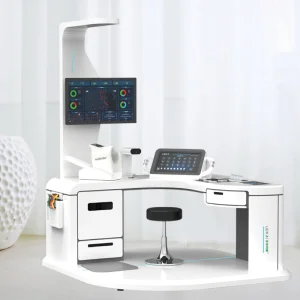
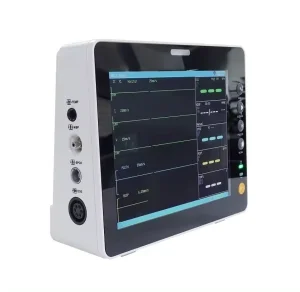
Telehealth kiosks are becoming common sights in Canadian corporate offices, community centers, and pharmacies. These self-service stations allow for rapid vital sign checkups, including blood pressure, SpO2, and ECG, facilitating "micro-consultations" that keep the workforce healthy and productive.
Met Health: Innovating Smart Wearables with Love and Purpose
Founded in 2015, Met Health has become a leading manufacturer specializing in smart wearable devices. With over a decade of expertise in research and development, production, and management, we focus on delivering innovative solutions in senior health management, disease monitoring, and personal safety.
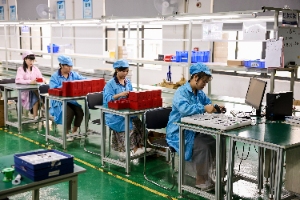
Our state-of-the-art production facility in Shenzhen is equipped with advanced production lines and precision equipment, ensuring high-quality manufacturing standards. As an ISO9001-certified company, we maintain stringent quality control throughout the production process.
With over a decade of experience in R&D and manufacturing, we specialize in providing innovative wearable solutions, particularly in senior health management, disease monitoring, and personal safety.
We combine cutting-edge technology with expert craftsmanship to deliver world-class wearable products that meet the rigorous demands of the Canadian medical market.

| Application Scenario | Target Users | Recommended Technology |
|---|---|---|
| Indigenous Community Care | Remote Northern Territories | Satellite-linked Kiosks & Portable Vital Sign Monitors |
| Long-term Care (LTC) Homes | Senior Citizens in Ontario/BC | Wearable Holter Devices & Wireless BP Monitors |
| Workplace Wellness | Corporate Offices in Toronto/Montreal | Multi-function Health Checkup Kiosks |
| Post-Operative Recovery | Urban Hospital Patients | Bluetooth Connected Glucometers & BP Cuffs |
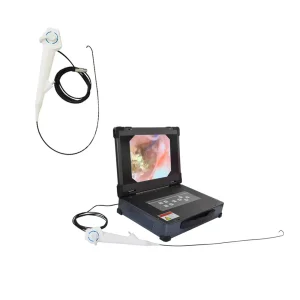
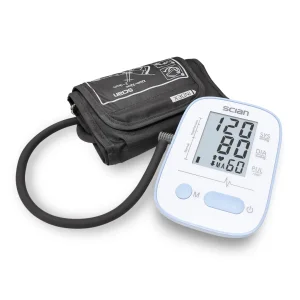
When selecting a manufacturer for the Canadian market, compliance is non-negotiable. Our products are designed to support the documentation requirements for Health Canada Class II and Class III medical device licenses. From the Electronic Sphygmomanometer to the Flexible Ureteroscope, every piece of hardware undergoes rigorous testing to ensure it withstands the diverse environmental conditions found across the Canadian provinces.
As we look toward 2030, the integration of 5G technology across Canada will further empower telehealth manufacturers to deliver zero-latency surgical robotics and high-fidelity remote monitoring. Met Health remains at the forefront of this curve, constantly innovating our IoT Sphygmomanometer and Self-Service Kiosks to support the next generation of cloud-based appointment and registration systems.
By choosing a supplier that understands both the technological requirements and the compassionate purpose of healthcare, Canadian distributors and medical facilities can ensure a healthier future for all citizens. Our commitment to high-quality manufacturing, combined with over 100,000 units of monthly capacity, makes us the ideal partner for large-scale provincial health deployments.
 Met Health