Analyzing the shift toward bio-telemetry, nutritional interventions, and physical recovery methodologies.
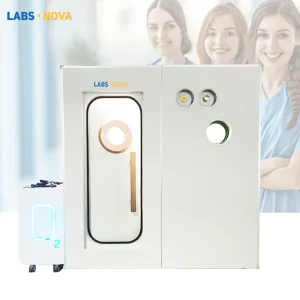
True physiological stress mitigation requires a multi-tiered approach. Modern programs combine daily wearable trackers (monitoring heart rate variability) with targeted adaptogenic compounds and physical therapies like hyperbaric oxygen chambers or PEMF devices. Relying on a single wellness channel often limits long-term effectiveness.
Established in 2015, Met Health is a leading B2B developer and manufacturer of smart wearable solutions designed for global wellness programs and advanced physiological monitoring.

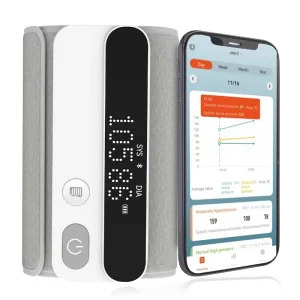
With over a decade of R&D experience, we specialize in wearable systems for senior health monitoring, disease detection, and personal safety. We design our hardware and software to track indicators like heart rate variability (HRV) and oxygen saturation (SpO2).
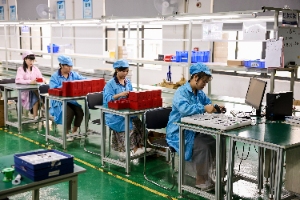
Our ISO9001-certified factory in Shenzhen utilizes advanced assembly lines and testing equipment. Each device undergoes rigorous quality control to ensure reliable bio-telemetry performance under demanding operating conditions.
We offer end-to-end OEM/ODM services, including custom board layout, API/SDK integration, and tailored packaging. Our close partnerships with component suppliers help us maintain competitive lead times and cost efficiencies.
Modern B2B buyers look for products that offer more than basic physical activity tracking. They require tools that provide detailed physiological data, such as Heart Rate Variability (HRV) analysis, sleep stages tracking, and respiratory pattern monitoring. These indicators are crucial for detecting autonomic nervous system fatigue before it leads to clinical burnout.
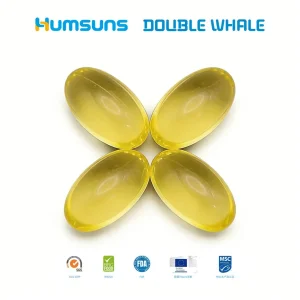
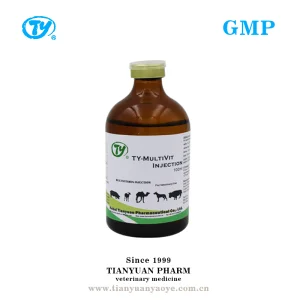
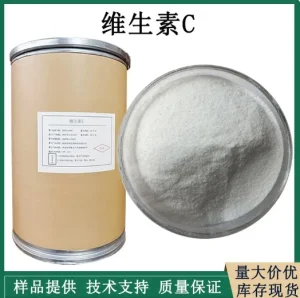
High-stress environments increase physiological wear and tear, which affects metabolic health, gut function, and cognitive performance. Corporate purchasers are expanding their wellness strategies to include nutritional supplements. These formulations focus on rebuilding the gut-brain axis, reducing oxidative stress, and supporting cellular repair.
A B2B guide comparing hardware, nutritional supplements, and therapy devices for enterprise wellness programs.
| Intervention Category | Primary Physiological Target | Key Implementation Metrics | Target B2B Industry Sectors |
|---|---|---|---|
| IoT Smart Wearables | Autonomic Nervous System balance, HRV tracking, sleep quality. | Real-time telemetry, API integration, 100k units/month output. | Corporate Wellness Programs, Remote Patient Monitoring. |
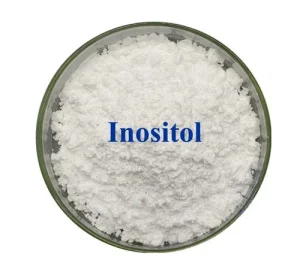
| Nutritional Formulations | Gut-Brain axis support, cortisol regulation, metabolic protection. | Bioavailability, customizable packaging, raw ingredient sourcing. | Pharmaceuticals, Sports Nutrition, Health Supplement Retail. |
| Physical Recovery Hardware | Circulatory system repair, cell oxygenation, pain reduction. | Customized pressure protocols, high-frequency PEMF coils. | Executive Clubs, Wellness Centers, Rehabilitation Clinics. |
Our planned development phases for integrating AI diagnostics, bio-sensing wearables, and recovery platforms.
Developing non-invasive sensors to track stress biomarkers like galvanic skin response (GSR) and peripheral skin temperature. This phase focuses on upgrading wearable sensor arrays to capture real-time stress reactions.
Embedding AI algorithms directly into wearable firmware to detect acute stress episodes. This allows the system to prompt immediate breathing exercises and relaxation protocols without relying on constant cloud connectivity.
Connecting wearable telemetry data with hyperbaric therapy and PEMF physical systems. This integration creates an automated feedback loop that adjusts physical recovery sessions based on real-time stress levels.
B2B procurement questions regarding manufacturing, lead times, customization capabilities, and compliance standards.
 Met Health