The medical imaging software industry has evolved from simple film-based viewing to complex, AI-integrated digital ecosystems. Today, being a top medical imaging software supplier requires more than just providing a viewer; it necessitates a comprehensive understanding of DICOM standards, HL7 interoperability, and cloud-based architecture.
Globally, the market is witnessing a paradigm shift. Hospitals are moving away from siloed data storage to Vendor Neutral Archives (VNA). This allows radiologists and clinicians to access patient images regardless of which machine (MRI, CT, or Ultrasound) captured the data. The demand for 3D visualization and 4D real-time rendering is at an all-time high, driven by the need for more accurate surgical planning and oncology monitoring.
In the industrial sphere, medical imaging software is now being used to create "Digital Twins" of patients. This involves using high-resolution scans to simulate surgeries before they happen. Suppliers who can offer low-latency, high-fidelity reconstruction software are becoming the preferred partners for Tier-1 medical institutions across North America, Europe, and Asia-Pacific.
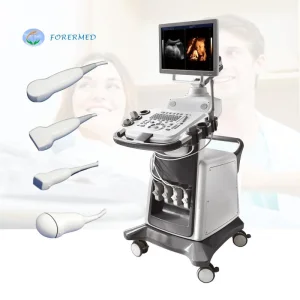
Our flagship 4D Trolley Ultrasound scanner represents the pinnacle of localized medical imaging application. It integrates seamlessly with modern hospital PACS systems, offering real-time data streaming and high-definition imaging for women's health and general diagnostics. This hardware-software synergy is what sets leading suppliers apart in the competitive global market.
Designed for high-traffic hospitals, it features intelligent noise reduction and auto-optimization algorithms to ensure that clinicians get the clearest image in the shortest time.
As we look toward 2025 and beyond, several key trends are defining the future of medical imaging software:
Large-scale healthcare providers and government procurement agencies have specific criteria when selecting a medical imaging software supplier. Scalability is paramount; the software must be able to handle millions of images per year without performance degradation. Furthermore, "Total Cost of Ownership" (TCO) is a major factor—procurement officers look for modular software that doesn't require constant, expensive hardware upgrades.
In emerging markets, the need is slightly different. Here, the focus is on robustness and ease of use. Software must be able to operate in environments with unstable internet connections, utilizing smart caching and efficient compression algorithms (like JPEG 2000) to transmit data.
Localization is not just about translating the user interface. It involves adapting to local diagnostic workflows. For instance, in Japan, there is a heavy emphasis on detailed stomach cancer screening, requiring specific imaging protocols. In the USA, the focus might be more on cardiac imaging and integration with large EHR (Electronic Health Record) systems like Epic or Cerner.
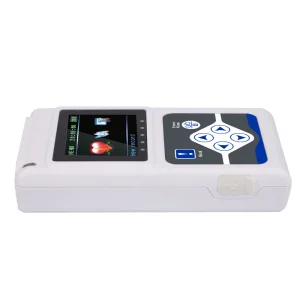
Modern medical imaging extends beyond the radiology suite. Our Smart Wireless Holter device exemplifies the trend of continuous, wearable monitoring. By integrating cardiac data directly into cloud-based analysis software, it provides a "living image" of the patient's heart health over days or weeks.
This localized application scenario is vital for senior care and post-operative monitoring, allowing patients to stay at home while clinicians receive high-fidelity cardiac waveforms for diagnosis.
As a leading Chinese manufacturer, Met Health offers unique advantages in the medical imaging and wearable monitoring space:
Founded in 2015, Met Health has become a leading manufacturer specializing in smart wearable devices. With over a decade of expertise in research and development, production, and management, we focus on delivering innovative solutions in senior health management, disease monitoring, and personal safety.
Our state-of-the-art production facility in Shenzhen is equipped with advanced production lines and precision equipment, ensuring high-quality manufacturing standards. As an ISO9001-certified company, we maintain stringent quality control throughout the production process.
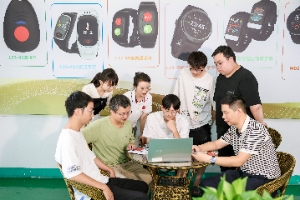
With over a decade of experience in R&D and manufacturing, we specialize in providing innovative wearable solutions, particularly in senior health management, disease monitoring, and personal safety.
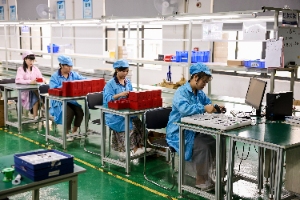
Our ISO9001-certified facility in Shenzhen is equipped with state-of-the-art production lines and precision equipment, ensuring consistent quality and reliability across all products.
We offer tailored OEM/ODM services, allowing us to deliver personalized solutions that meet the specific needs of our clients, supported by a strong supply chain for efficient delivery.
 Met Health