The global medical connectivity market is undergoing a seismic shift. As the healthcare industry moves from reactive to proactive care, the demand for interconnected medical devices—often referred to as the Internet of Medical Things (IoMT)—has surged. Today, medical connectivity is no longer just about cables and connectors; it is about a seamless digital ecosystem where data flows securely from a patient's wearable device to a hospital's cloud-based diagnostic platform.
The IoMT market is projected to reach hundreds of billions of dollars by 2030, driven by the aging global population and the rising prevalence of chronic diseases like hypertension and diabetes.
High-speed 5G networks and Edge Computing are enabling real-time remote surgeries and instantaneous data transmission, reducing latency in critical care scenarios.
As devices become more connected, cybersecurity has become a top priority. Global standards like HIPAA and GDPR are shaping how factories design connectivity modules.
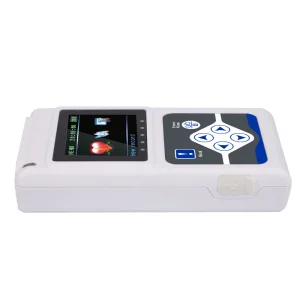
Modern medical connectivity allows for continuous patient oversight. For example, our Smart Wireless Holter Device integrates cloud technology to provide cardiologists with live data, regardless of the patient's location. This level of connectivity reduces hospital readmissions and improves clinical outcomes. As a leading exporter, we ensure our devices meet the diverse regulatory requirements of North America, Europe, and Asia, providing a truly global health solution.
Our commitment to R&D ensures that every component—from the smallest sensor to the most complex wireless module—is built for reliability. In the high-stakes world of medical data, there is no room for connection failure.
Connectivity is the bridge to Artificial Intelligence. By feeding continuous data from wearables to AI algorithms, healthcare providers can predict medical emergencies before they happen.
The trend is moving toward smaller, more discreet devices. Connectivity modules must now be integrated into flexible PCBs and micro-wearables without sacrificing signal strength.
The industry is moving toward "Open Connectivity," where devices from different manufacturers can "talk" to each other via standardized APIs and protocols.
For global procurement officers, these trends mean that staying competitive requires partnering with a factory that is not just a manufacturer, but a technology partner. Met Health stays at the forefront by investing 15% of annual revenue back into innovation, ensuring our clients receive the most advanced connectivity solutions available.
Met Health: Innovating Smart Wearables with Love and Purpose
Founded in 2015, Met Health has become a leading manufacturer specializing in smart wearable devices. With over a decade of expertise in research and development, production, and management, we focus on delivering innovative solutions in senior health management, disease monitoring, and personal safety.
Our state-of-the-art production facility in Shenzhen is equipped with advanced production lines and precision equipment, ensuring high-quality manufacturing standards. As an ISO9001-certified company, we maintain stringent quality control throughout the production process.

With over a decade of experience in R&D and manufacturing, we specialize in providing innovative wearable solutions, particularly in senior health management, disease monitoring, and personal safety.
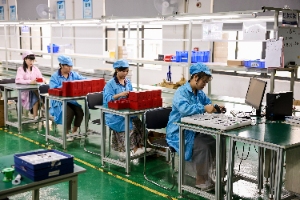
Our ISO9001-certified facility in Shenzhen is equipped with state-of-the-art production lines and precision equipment, ensuring consistent quality and reliability across all products.
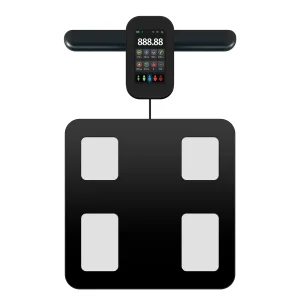
Global health organizations and private clinics are increasingly looking for devices that offer more than just a single metric. They require data ecosystems. Our 8 Electrode Body Fat Scale is a prime example of localized connectivity application. It’s not just for weight; it captures 43 different health indices and syncs them directly to a professional health app.
In regions like North America and Europe, these scales are being integrated into "Smart Home Clinics," where elderly patients can monitor their own vitals, which are then automatically shared with their primary care physician. This localized application of connectivity is revolutionizing the concept of home-based healthcare.
Sourcing medical connectivity products from a high-tech hub like Shenzhen provides unmatched advantages:
Medical components require micron-level accuracy. Our facility uses Japanese-grade precision equipment to ensure every plastic housing and metal connector meets strict tolerances.
We don't believe in one-size-fits-all. Whether you need a custom firmware protocol or a specific biocompatible material for your wearable strap, our team is equipped to deliver.
Every product undergoes drop tests, sweat resistance tests, and signal integrity checks before it leaves our factory gates. We are your eyes and ears on the production floor.
"Our mission is to bridge the gap between human health and digital intelligence, providing a connected world where every heartbeat is monitored with love and precision."
 Met Health