Direct from the leading OEM/ODM facility. Certified biohacking systems and biological support materials engineered for global regulatory compliance and maximum performance.



A comprehensive analysis of the top ten biohacking methodologies transforming global wellness, longevity economics, and industrial supply chains.
The global wellness market has transitioned from reactive symptomatic treatment to proactive, data-driven optimization. Biohacking—defined as the systematic modulation of biology via technology, epigenetics, and targeted nutritional design—lies at the epicenter of this evolution. For distributors, wellness centers, and corporate enterprises, accessing reliable manufacturing partners to supply high-efficacy equipment and consumables is critical to capturing market share in this high-margin vertical.
As a leading developer and exporter in Shenzhen, Met Health bridges the gap between advanced biohacking concepts and industrial-scale execution. Founded in 2015, Met Health has spent a decade refining the production of biosensors, smart wearables, and preventive wellness technologies. This paper explores the core biohacking frameworks dominating the industry, the corresponding physical technologies, and the localized manufacturing ecosystems required to deliver them globally.
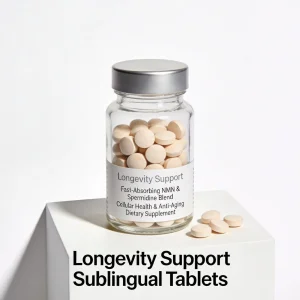
Bypassing the first-pass metabolic degradation of traditional oral dosage forms is vital for longevity molecules like Nicotinamide Mononucleotide (NMN) and Spermidine. Sublingual delivery ensures rapid transport across oral mucosal membranes, optimizing cellular bioavailability and NAD+ replenishment protocols.
Increasing ambient barometric pressure to 2.0 ATA within specialized chambers accelerates oxygen dissolution in blood plasma. This promotes cellular respiration, mitochondrial biogenesis, and systemic stem cell mobilization, acting as a critical recovery tool for high-performance longevity clinics.
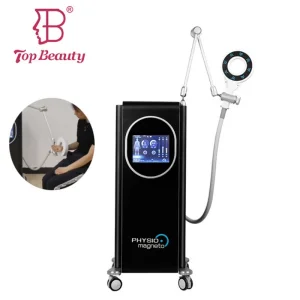
PEMF therapy targets the transmembrane potential of cells. By delivering targeted magnetic waves, this modality restores natural cellular voltage, promotes ion channel permeability, enhances ATP synthesis, and modulates inflammatory cascades without pharmaceutical intervention.
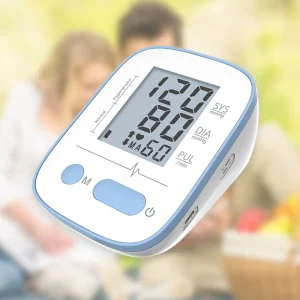
Real-time continuous biometrics (HRV, SpO2, arterial stiffness, sleep stages) transition preventive healthcare from periodic diagnostics to dynamic cybernetic feedback loops. Edge AI within wearables analyzes biomarkers to detect physiological anomalies before clinical manifestation.
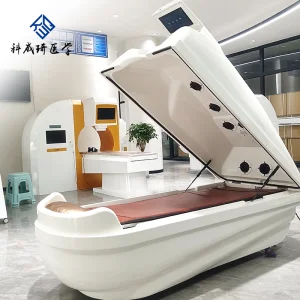
Specific wavelengths of near-infrared and red light stimulate Cytochrome C Oxidase within mitochondria. This process accelerates mitochondrial respiration, triggers systemic fat mobilization, and drives targeted cellular tissue repair in specialized wellness chambers.
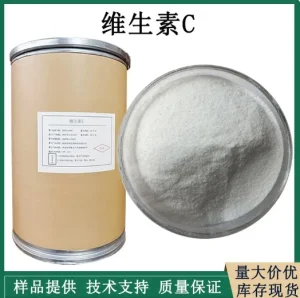
Bioactive delivery agents, such as GLP-1 peptide configurations, support gut microbiome stability and metabolic rate optimization. Supplementing with highly bioavailable lipid-soluble elements targets metabolic flexibility, regulating cellular health and systemic energy expenditure.
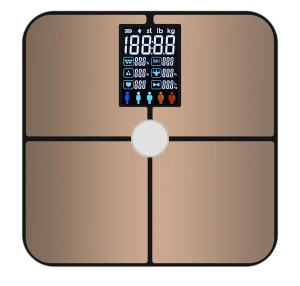
Employing multi-frequency Bioelectrical Impedance Analysis (BIA) with Indium Tin Oxide (ITO) glass technologies allows for accurate diagnostic tracking of skeletal muscle mass, intracellular water, visceral fat percentages, and vascular indicators directly from the home or clinic.
Synergistic formulations of Ginkgo Biloba, Bacopa Monnieri, and endogenous compounds enhance cerebral circulation and synaptic plasticity. Regular targeted supplementation protects against oxidative stress in neural networks and stabilizes overall cognitive capacity.
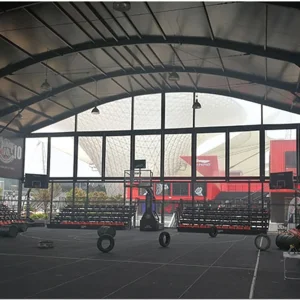
Environmental design, including all-weather biological training shelters and outdoor active microclimates, enables structured, stress-induced physiological adaptation (hormesis). Controlled environmental exposure optimizes cardiovascular performance and physical resilience.
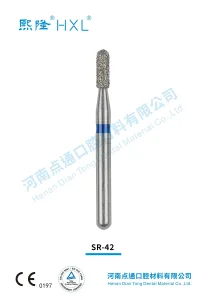
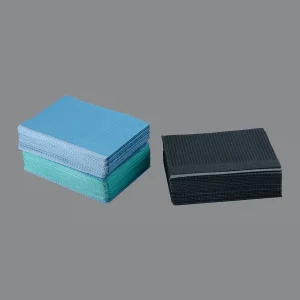
Systemic disease pathways often originate from oral pathologies. Using high-precision tools such as FG Diamond Burs and maintaining sterile operatory micro-environments ensures the integrity of oral tissue structure, preventing pathogens from accessing systemic circulation.
The convergence of consumer health tech and clinical diagnostics is accelerating. The next phase of product development at Met Health focuses on three primary technology tracks:
As a global supplier, Met Health provides integrated end-to-end biohacking solutions for three core enterprise targets:
Decade of experience in research, development, and scalable production of intelligent wearable devices.

With over a decade of experience in R&D and manufacturing, we specialize in providing innovative wearable solutions, particularly in senior health management, disease monitoring, and personal safety. Our engineering teams integrate advanced sensor arrays with custom firmware to ensure medical-grade tracking accuracy.
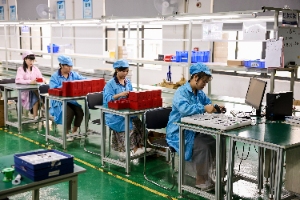
Our ISO9001-certified facility in Shenzhen is equipped with state-of-the-art production lines and precision equipment, ensuring consistent quality and reliability across all products. Every unit undergoes automated calibration and visual inspection to guarantee long-term field stability.
We offer tailored OEM/ODM services, allowing us to deliver personalized solutions that meet the specific needs of our clients, supported by a strong supply chain for efficient delivery. From custom PCB layouts and health applications to specialized product packaging, our team supports full-lifecycle development.
Met Health’s manufacturing operations are based in Shenzhen, the global capital of hardware innovation. This location provides access to a highly integrated components supply chain. Our factory features several key operational advantages:
Shenzhen's electronics ecosystem allows us to source sensors, display modules (such as VA displays and ITO glass), and microprocessors locally. This close proximity reduces transportation lead times and protects the production cycle from international logistics disruptions.
Our ISO9001 certification forms the basis of our manufacturing protocols. Quality control checks are performed at every stage of the assembly process, including incoming raw materials inspections (IQC), in-process functional checks (IPQC), and final automated testing (OQC). These processes verify that all electronic boards and biometric sensors function reliably in the field.
With a monthly production capacity of over 100,000 units, Met Health can handle large-scale enterprise orders while maintaining flexible scheduling to support custom OEM and ODM production runs.
Exporting wellness and diagnostic hardware globally requires navigating complex regulatory landscapes. Met Health provides comprehensive compliance support to streamline the import process for international clients:
Establishing a reliable procurement workflow is key to maintaining high operational efficiency. We structure our B2B procurement process into four primary stages:
Technical details and partnership answers from our engineering and export team.
For standard product configurations, mass production is typically completed within 30 to 45 days. Custom hardware designs, specialized enclosures, or software integration projects may require an additional 15 to 30 days for design verification and prototyping phases.
Our bioelectrical impedance scales utilize ITO glass and multi-frequency sensing chips to measure structural body metrics. Smart wearables use high-performance optical sensors (PPG) and acceleration arrays. Every unit is calibrated against clinical references before leaving the assembly line.
Yes. Our in-house design and regulatory team helps structure labels, ingredient layouts, warnings, and barcode placement to ensure compliance with targeted regional import regulations.
We work under clear, legally binding Non-Disclosure Agreements (NDAs). We isolate custom firmware repositories and product designs, restricting access only to authorized engineering teams assigned to the project.
Explore our collection of clinical hardware, advanced magnetic therapy systems, and high-purity longevity supplements.



 Met Health