Explore our premium commercial wellness, electrophysiological sensing, and micro-current therapy devices designed for global clinical, enterprise, and personal health application infrastructures.
Biofeedback systems represent the cutting edge of non-invasive preventative health, therapeutic rehabilitation, and stress regulation technologies. Leveraging biosensor metrics such as Heart Rate Variability (HRV), Electromyography (EMG), Electrodermal Activity (EDA), and Electroencephalography (EEG), biofeedback devices empower individuals by making autonomic nervous system functions visible. As a global exporter in this space, matching complex medical-grade standards with flexible consumer-facing formats is essential for market dominance.
In this industry whitepaper, we dissect the capabilities of leading biofeedback manufacturers, explore technological trends like edge AI integration, evaluate localized application cases, and offer a clear analytical framework to help procurement officers and distribution partners select the ideal OEM/ODM partners.
Understanding the architecture of advanced biofeedback requires identifying the hardware and software pipelines used to process biosignals. Modern systems are classified by their signal modality:
Founded in 2015, Met Health has become a leading manufacturer specializing in smart wearable devices. With over a decade of expertise in research and development, production, and management, we focus on delivering innovative solutions in senior health management, disease monitoring, and personal safety.
Our state-of-the-art production facility in Shenzhen is equipped with advanced production lines and precision equipment, ensuring high-quality manufacturing standards. As an ISO9001-certified company, we maintain stringent quality control throughout the production process.
Our global distribution footprint relies on optimized end-to-end manufacturing workflows:
Our commitment to excellence combines deep research-driven hardware, strict industrial certifications, and responsive development services to yield premier biofeedback-ready wearables.

With over a decade of experience in R&D and manufacturing, we specialize in providing innovative wearable solutions, particularly in senior health management, disease monitoring, and personal safety.
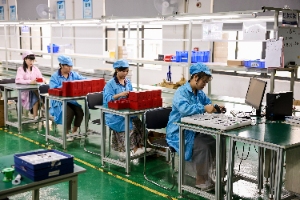
Our ISO9001-certified facility in Shenzhen is equipped with state-of-the-art production lines and precision equipment, ensuring consistent quality and reliability across all products.
We offer tailored OEM/ODM services, allowing us to deliver personalized solutions that meet the specific needs of our clients, supported by a strong supply chain for efficient delivery.
An objective, high-gain analytical matrix detailing the world's premier biofeedback hardware ecosystems, manufacturing capabilities, and export markets.
| Manufacturer & Category | Key Biofeedback Modalities | Primary Focus Areas | Export Compliance |
|---|---|---|---|
| Met Health Smart Wearables | HRV, EDA/GSR, Bioimpedance | Wearable Health, Senior Safety, Corporate Wellness | ISO9001, CE, RoHS, FCC |
| Clinical Neuro-Systems Inc. | EEG, Quantitative EEG (qEEG) | Clinical ADHD Neurofeedback, Brain Mapping | FDA 510(k), CE Medical Class IIa |
| Bio-Physio Tech Ltd. | High-Density EMG, Thermal Biofeedback | Musculoskeletal Rehab, Sports Kinesiology | ISO13485, Health Canada |
| Zenith Autonomic Devices | EDA/GSR, Respiration, BVP | Psychotherapy Support, Anxiety Management | CE Mark, JP-PAL |
| Omni-Sensing Solutions | PPG-based HRV, Skin Temp, EDA | Consumer Wellness Smart Rings & Bands | RoHS, FCC, CE, TELEC |
| Peak Performance Electromagnetics | HEG (Hemoencephalography), EEG | Executive Training, Cognitive Enhancement | FCC Class B, CE |
| Somno-Feedback Instruments | Respiration, Capnography, SpO2 | Sleep Biofeedback, Dysfunctional Breathing Rehab | FDA 510(k), ISO13485 |
| Integrated Bio-Sensing AG | Multi-Channel EMG/EEG/ECG Lab Rigs | Academic Research Platforms, Lab-grade Sensors | CE Medical, UL Standard |
| Neura-Pulse Systems | TMS (Transcranial Magnetic Stimulation) & Biofeedback | Clinical Mental Health, Treatment-Resistant Depression | FDA Cleared, CE Medical Class IIb |
| Autonomic Wearables Corp. | Flexible Polymeric EDA, Dry EMG | Smart Athletic Apparel, Smart Textile Biofeedback | RoHS, FCC, KC Certification |
The evolutionary trajectory of physiological analytics hardware, transitioning from clinical desk stations to miniaturized Edge-AI systems.
High-impedance analog front-ends designed to isolate biological signals from ambient environmental noise.
Integration of low-power microcontrollers (e.g., ARM Cortex-M4) for on-chip DSP and signal filtering.
Neural processing units (NPUs) running local real-time feature extraction for HRV and EDA anomalies.
Development of biocompatible, stretchable conductive inks replacing adhesive hydrogel clinical electrodes.
The modern health industry is undergoing structural convergence. Wellness retreats, executive fitness programs, and corporate headquarters are integrating physiological monitoring with passive therapeutic structures. For instance, combining high-yield dietary supplements with biofeedback wearables provides real-time validation of lifestyle adjustments. To support this convergence, leading designers deploy holistic spatial and device ecosystems.
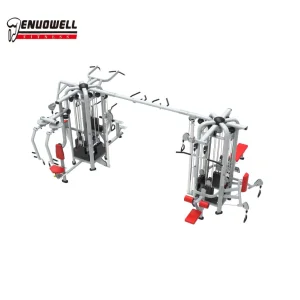
Leading enterprises now build physical rehabilitation and wellness centers directly inside office headquarters. Combining structured training areas—such as modern multi-user training installations—with passive biofeedback arrays allows employees to manage their autonomic response to stress. Employees track baseline recovery parameters (such as resting heart rate and sleep efficiency indices) while participating in corporate wellness campaigns, validating the investments made in employee vitality.
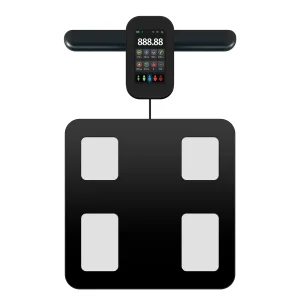
At the center of clinical tracking is bioimpedance analysis. Utilizing multi-frequency phase-angle detection, devices like the 8-electrode body fat scale analyze total body water, cellular integrity, and muscle tissue composition. In clinical settings, these bioimpedance structures act as a primary assessment layer, letting therapists baseline physiological recovery parameters before initiating targeted biofeedback training programs.
Critical procurement guidance and technical answers covering biofeedback standards, sensor integration, and export compliance.
Find additional health infrastructure products, consumer-packaged wellness supplies, and advanced medical equipment options below.

 Met Health