Why is mental health important for physical health? The answer begins with the body’s daily signals: restless sleep, raised heart rate, tense muscles, and persistent fatigue. Mental distress can influence blood pressure, immune responses, eating patterns, movement, and medication adherence. These effects are not imaginary. They are measurable pathways between emotional wellbeing and physical outcomes.
The World Health Organization’s World Mental Health Report 2022 estimated that nearly one billion people lived with a mental disorder in 2019. WHO also reports that people with severe mental health conditions often die 10 to 20 years earlier than the general population, largely from preventable physical diseases. The Centers for Disease Control and Prevention links poor mental health with higher risks of chronic conditions, including heart disease and diabetes. The evidence is strong, but it is not perfectly simple. Mental illness does not guarantee physical illness, and physical disease does not affect everyone emotionally in the same way.
Dr. Brock Chisholm, the first Director-General of the World Health Organization, stated, “Without mental health there can be no true physical health.” His words still guide modern preventive care. A person missing sleep for weeks may struggle to control glucose or blood pressure. Someone living with chronic pain may withdraw from exercise and social contact. Small changes matter. Yet healthcare systems still separate mind and body too often. This introduction examines why is mental health important for physical health through clinical evidence, public-health data, and practical examples. It also recognizes an uncomfortable truth: better awareness alone cannot replace affordable, continuous, and trustworthy care.
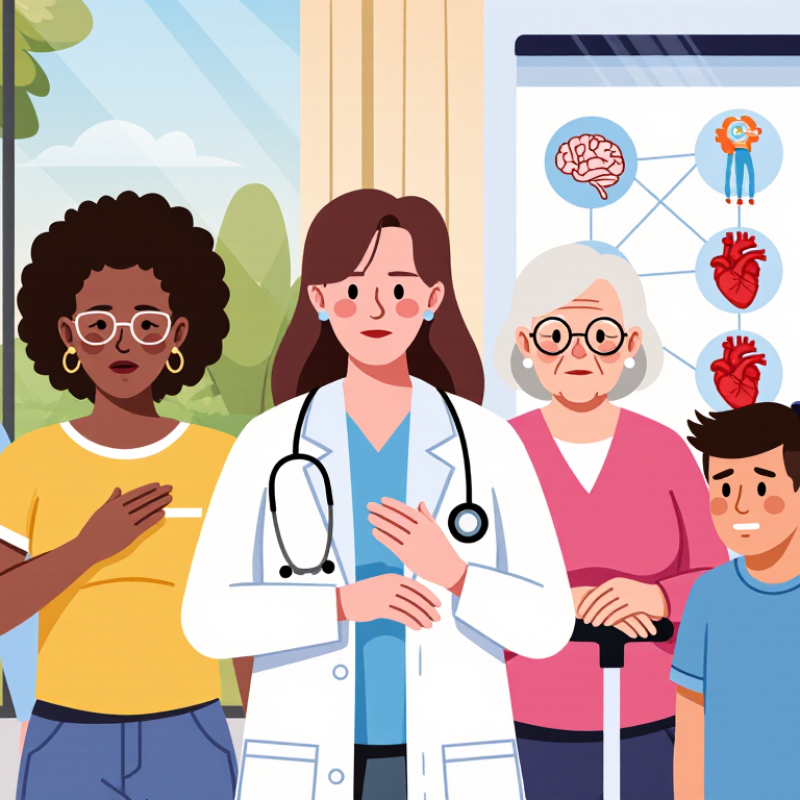
Mental health is the condition of our emotional, psychological, and social well-being. It shapes how we think, respond to stress, sleep, and connect with others. Physical health concerns the body's function, energy, and ability to recover from illness. These are not separate systems. They influence each other every day.
During routine health assessments, professionals often observe this connection in ordinary moments. A worried person may breathe quickly, tighten their shoulders, and develop headaches. Persistent stress can disturb sleep, raise muscle tension, and affect appetite. Poor sleep may weaken concentration and reduce motivation to exercise or prepare balanced meals. The cycle can become quiet but powerful. It is not imaginary.
Mental distress can also accompany chronic pain or recovery after surgery. A person with pain may feel fearful, isolated, or hopeless. Those emotions can make treatment routines harder to follow. Still, this relationship is not perfectly predictable. Some people remain resilient during serious illness, while others struggle after a minor setback. It is tempting to oversimplify these experiences, but that can create unfair judgments. A reliable assessment considers symptoms, sleep, daily habits, support, and safety concerns. Speaking with a qualified healthcare professional can clarify possible causes and guide appropriate care. Small changes matter. Honest reflection matters too.
Why Is Mental Health Important for Physical Health?
Mental health is not separate from physical health; it helps regulate how the body responds to daily demands. When worry persists, the brain may keep the stress response active. Stress hormones can raise heart rate, tighten blood vessels, and increase muscle tension. The heart may beat harder during an ordinary meeting. A tense jaw can ache by evening.
The nervous system also affects sleep, digestion, and energy. Sleep often changes first. Poor sleep can weaken concentration and make pain feel more intense. The digestive tract communicates closely with the brain, so anxiety may cause nausea, cramps, or irregular bowel movements. Some people lose their appetite, while others eat quickly and without noticing. These reactions are physical, not imaginary. I sometimes underestimate how strongly emotional pressure changes my breathing and posture.
Mental distress can also influence immune function and blood sugar regulation. Long-term stress may make recovery from illness feel slower, although individual responses differ. Regular movement, balanced meals, and steady sleep support these body systems. Slow breathing can relax the chest and reduce unnecessary muscle effort. Professional support matters when symptoms persist or interfere with work, relationships, or rest. Yet improvement is rarely linear. A calmer week does not always mean the problem has disappeared. Tracking sleep, pain, digestion, and mood can reveal patterns worth discussing with a qualified health professional.
Research shows that depression is associated with a higher risk of several physical health conditions. The chart presents estimated relative risk increases compared with people without depression. These are population-level associations and do not mean that depression directly causes every condition.
Sources: Mezuk et al., Diabetes Care (2008); Pan et al., Stroke (2011); Van der Kooy et al., International Journal of Psychiatry in Medicine (2007).
Mental health affects physical health through the nervous, hormonal, and immune systems. Short-term stress can sharpen attention and prepare the body to respond. Persistent stress is different. It may keep heart rate, blood pressure, and muscle tension elevated. Some people develop headaches, jaw pain, stomach discomfort, or restless sleep. Anxiety can cause rapid breathing, chest tightness, dizziness, and frequent bathroom visits. These symptoms can feel alarming, even when medical tests show no immediate danger.
Depression may change appetite, energy, sleep, and pain sensitivity. A person might stop exercising, skip meals, or avoid routine medical care. Over time, these changes can worsen diabetes, heart disease risk, or chronic pain. The relationship works both ways. Physical illness can also deepen sadness and anxiety.
I once assumed exhaustion only meant poor time management. That view was too simple. A tense jaw at midnight may reveal emotional strain, not just a busy day.
Helpful care often begins with small observations. Notice when your shoulders tighten, your stomach hurts, or sleep becomes fragmented. Slow breathing, regular movement, sunlight, and consistent meals may support the body’s stress response. They are not cures. A doctor or licensed mental health professional can assess persistent symptoms and rule out physical causes.
Seek urgent medical help for severe chest pain, fainting, or thoughts of self-harm. Ignoring symptoms is tempting. It can also make recovery harder.
Good mental health supports physical well-being through sleep, movement, appetite, and stress regulation.
When worry stays high, shoulders tighten, sleep becomes lighter, and blood pressure may rise. These changes can make ordinary tasks, such as climbing stairs, feel harder.
The World Health Organization’s World Mental Health Report 2022 reports that people with severe mental health conditions may die 10 to 20 years earlier. Often, preventable physical illnesses drive this gap.
Healthy mental habits can protect the body in practical ways. Regular sleep, supportive relationships, and manageable daily activity improve emotional recovery.
The World Health Organization estimated that depression and anxiety cost the global economy about US$1 trillion yearly through lost productivity (Mental Health at Work, 2022). This figure shows how widely distress can affect physical functioning.
A calm morning walk may reduce tension. It cannot replace medical care. Mental health treatment may also improve adherence to medication, nutrition, and rehabilitation plans, although results differ.
Small signs matter.
A missed meal, three restless nights, or avoiding friends may signal strain. The U.S. Surgeon General’s 2023 advisory estimates that poor social connection raises premature death risk by 29%.
Yet wellness advice can sound too neat. Some people need therapy, medical assessment, or urgent support, not another checklist.
Tracking sleep and mood for one week can give clinicians clearer details. Self-tracking is imperfect and sometimes increases worry.
Mental health and physical health often move together, even on ordinary days. Poor sleep can increase irritability, cravings, and muscle tension. Ongoing stress may also raise heart rate and reduce motivation to exercise. Supporting both areas starts with small, repeatable actions. A ten-minute walk after lunch can improve mood and loosen stiff joints. Regular meals help maintain energy for work, movement, and emotional regulation. Hydration matters too, especially during warm weather or physical activity.
Simple routines work best when they fit real life. Keep a consistent bedtime, limit stimulating screens before sleep, and create a quiet evening habit. Gentle stretching or slow breathing can help the body leave “alert mode.” Talking with a trusted person may reduce isolation and reveal problems that feel larger when hidden. A doctor or qualified mental health professional can assess persistent symptoms, unexplained pain, or major changes in sleep and appetite. Self-care is useful, but it is not a replacement for appropriate treatment.
Perfect routines do not exist. I still miss walks and stay up too late sometimes. The useful question is not, “Why did I fail?” It is, “What made today harder?” That answer might reveal an overloaded schedule, loneliness, or an untreated health concern. Adjusting one habit, asking for support, and noticing physical signals can make care feel practical rather than overwhelming.
| Health Dimension | Real-World Data | How Mental and Physical Health Are Connected | Practical Actions | Suggested Tracking Measure | Evidence Source |
|---|---|---|---|---|---|
| Common mental health conditions | Nearly 1 in 8 people worldwide | Mental health conditions can affect sleep, energy, concentration, appetite, stress hormones, and the ability to manage physical-health needs. | Recognize persistent changes in mood, behavior, sleep, or functioning. Seek professional support when symptoms interfere with daily life. | Weekly rating of mood, energy, sleep quality, and daily functioning on a 1–10 scale. | World Health Organization, World Mental Health Report: Transforming Mental Health for All: WHO report |
| Physical activity | 31% of adults were insufficiently active in 2022 | Regular movement can reduce stress and symptoms of anxiety or depression while also supporting cardiovascular health, muscle strength, and metabolic health. | Build gradually toward at least 150 minutes of moderate-intensity activity per week, plus muscle-strengthening activities on 2 or more days. | Minutes of moderate activity per week, strength-training days, and perceived stress before and after exercise. | World Health Organization, Physical Activity: WHO fact sheet |
| Sleep | Adults aged 18–60 generally need 7 or more hours nightly | Insufficient or irregular sleep can worsen mood, attention, emotional regulation, immune function, and cardiometabolic health. | Keep a consistent sleep and wake schedule, reduce late-day caffeine, create a quiet sleep environment, and discuss persistent insomnia with a healthcare professional. | Average nightly sleep duration, bedtime consistency, nighttime awakenings, and morning alertness. | Centers for Disease Control and Prevention, About Sleep and Your Health: CDC guidance |
| Chronic disease and depression | Depression is more common among people with chronic medical conditions | Living with conditions such as diabetes, heart disease, or chronic pain can increase psychological strain; depression may also reduce motivation for medication adherence, activity, and healthy eating. | Use integrated care: combine medical treatment with mental-health screening, behavioral support, realistic goals, and regular follow-up. | Appointment attendance, medication adherence, symptom score, physical activity, and disease-specific clinical measures. | Centers for Disease Control and Prevention, About Mental Health: CDC information |
| Social connection | Social connection is associated with better overall health and longer life | Supportive relationships can reduce stress responses, encourage healthy routines, improve coping, and make it easier to seek care when needed. | Schedule regular contact with trusted people, participate in community activities, and ask for practical or emotional support during difficult periods. | Number of meaningful social contacts per week and a monthly rating of belonging or loneliness. | U.S. Surgeon General, Our Epidemic of Loneliness and Isolation: Advisory report |
| Stress management | Long-term stress can affect both mental and physical well-being | Persistent stress may contribute to sleep problems, low mood, unhealthy coping behaviors, elevated blood pressure, and difficulty managing existing health conditions. | Use evidence-informed strategies such as paced breathing, mindfulness, problem-solving, regular movement, time outdoors, and professional counseling when needed. | Daily stress rating, resting heart rate if available, sleep quality, and frequency of stress-management practice. | National Institute of Mental Health, Caring for Your Mental Health: NIMH guidance |
| Healthy eating and mood | A varied diet supports brain and body function | Regular meals and nutrient-dense foods can support energy, concentration, metabolic health, and the physical capacity needed for emotional resilience. | Prioritize vegetables, fruit, whole grains, legumes, nuts, and adequate protein; limit excessive alcohol and highly processed foods. | Number of days per week with regular meals and servings of vegetables, fruit, whole grains, or legumes. | World Health Organization, Healthy Diet: WHO fact sheet |
| Early professional support | Early help can reduce the impact of symptoms on daily functioning | Addressing mental-health symptoms early may improve self-care, sleep, activity, relationships, and the management of physical conditions. | Contact a qualified healthcare professional if symptoms persist, intensify, or affect work, relationships, safety, or basic daily activities. | Time from recognizing persistent symptoms to arranging an assessment or support appointment. | World Health Organization, Mental Health: WHO overview |
Mental and physical health influence each other every day. Stress can affect sleep, digestion, energy, pain, and muscle tension. They are not separate systems.
Persistent stress may keep the stress response active. Heart rate can rise, shoulders may tighten, and the jaw may ache by evening. These reactions are physical.
Yes. Poor sleep can reduce concentration, lower motivation, and make pain feel stronger. It may also make exercise and balanced meals harder.
Anxiety may cause nausea, cramps, or irregular bowel movements. Some people lose appetite, while others eat quickly without noticing. The pattern differs between people.
Yes. Chronic pain or recovery after surgery may bring fear, isolation, or hopelessness. These feelings can make treatment routines harder to follow.
No. Some people remain resilient during serious illness. Others struggle after a minor setback. Simple judgments can be unfair.
Regular movement, steady sleep, balanced meals, and slow breathing may help. A quiet walk can support energy and reduce muscle tension. Small changes matter.
Consider speaking with a qualified healthcare professional when symptoms persist or disrupt work, relationships, rest, or safety. Tracking mood, sleep, pain, and digestion may reveal useful patterns. Improvement is rarely linear.
Mental and physical health are closely connected, working together to influence how people think, feel, and function each day. Understanding why is mental health important for physical health begins with recognizing that emotional well-being affects the body’s nervous, immune, cardiovascular, and digestive systems. Ongoing stress, anxiety, or depression may contribute to sleep problems, muscle tension, fatigue, weakened immunity, and changes in appetite or heart rate. When mental health is supported, people often have more energy, better sleep, improved concentration, and greater motivation to maintain healthy habits.
Supporting both areas requires a balanced and consistent approach. Regular physical activity, nutritious meals, sufficient sleep, relaxation techniques, and meaningful social connection can benefit the mind and body at the same time. It is also important to notice emotional difficulties early and seek support when needed. By treating mental and physical health as interconnected parts of overall well-being, individuals can build resilience, reduce health risks, and improve their quality of life.

Met Health