10 Best Natural Ways to Strengthen Your Immune System?

Time:2026-06-01 Author:Oliver
0%

The importance of a robust immune system cannot be overstated. According to the World Health Organization, a strong immune response is pivotal in preventing infections and diseases. Many individuals are increasingly curious about how can you strengthen your immune system naturally. Incorporating simple lifestyle changes can lead to significant improvements in health.

Eating a balanced diet rich in fruits and vegetables is crucial. Harvard Health emphasizes the role of antioxidants in combating free radicals, enhancing immune functions. Regular physical activity boosts circulation, helping immune cells function more effectively. However, many people struggle to maintain a consistent exercise routine, which can lower immune defenses.

Moreover, adequate sleep is often overlooked. The National Institutes of Health reports that insufficient sleep can weaken immunity, making individuals more susceptible to illness. Stress management techniques, such as mindfulness and meditation, can also support immune health. Reflecting on our modern lifestyles often reveals areas for improvement that can lead to better immune function and overall well-being.
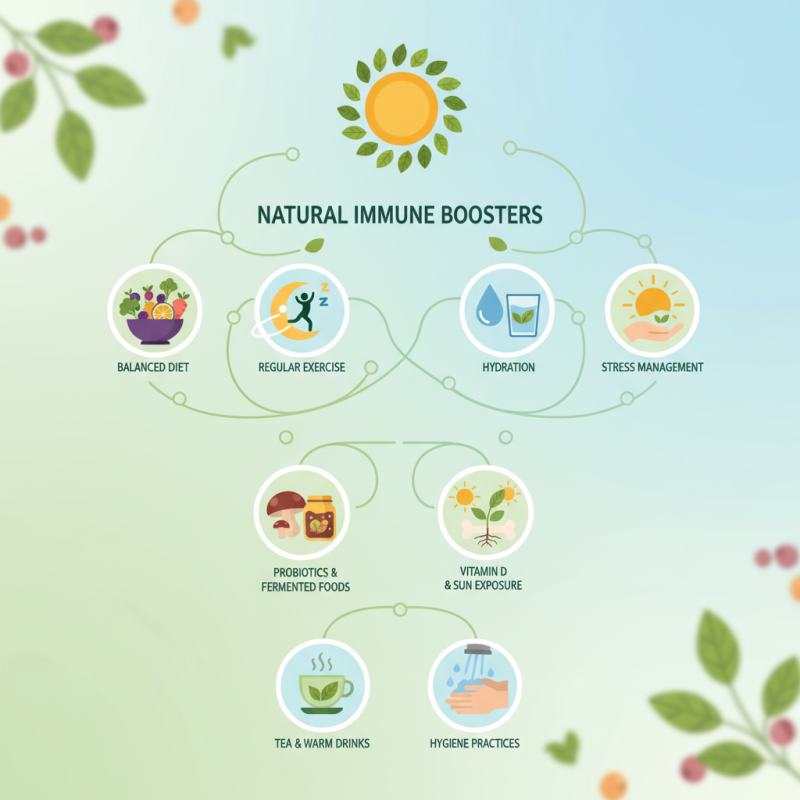
10 Best Natural Ways to Strengthen Your Immune System?

Understanding the Immune System: A Brief Overview

The immune system is a complex network that protects the body from infections. It includes various cells, tissues, and organs that work together. Understanding how this system operates is essential for maintaining good health. Research indicates that a healthy immune response relies on various factors, including nutrition, exercise, and stress management.

Studies show that nutrient deficiencies can impair immune function significantly. For instance, a report from the Global Nutrition Report reveals that about 2 billion people suffer from vitamin deficiencies. This lack can lead to an increased risk of illness. People often overlook the importance of hydration, which is crucial for immune health. Adequate water intake helps maintain cellular function and supports overall metabolism.

Stress management plays a critical role in immune response. A study published in the journal "Psychosomatic Medicine" found that chronic stress can weaken the immune system. People under consistent stress might notice they get sick more often. It is essential to cultivate practices like mindfulness and physical activity to bolster resilience against stress. Small lifestyle changes can significantly impact immune strength. These methods might seem simple, but their effectiveness should not be underestimated.

The Role of Nutrition in Immune Health

Nutrition plays a vital role in immune health. A well-balanced diet can strengthen your immune system and enhance your body’s defense mechanisms. Research by the Food and Nutrition Board indicates that nutrients like vitamins C and D, zinc, and antioxidants are crucial for immune function. These vitamins help produce antibodies and support the activity of immune cells.

Moreover, studies suggest that a diet rich in fruits and vegetables is essential. The CDC reports that only 9% of adults meet the recommended intake of these foods. This lack of variety can lead to deficiencies that weaken immunity. Incorporating foods like berries, citrus fruits, and leafy greens can provide the necessary nutrients.

Hydration is another often overlooked aspect. The National Institutes of Health suggests water helps in the transportation of nutrients throughout the body. Dehydration can impair your immune response, making you more vulnerable to infections. Reflecting on dietary habits can reveal areas needing improvement. Focusing on nutrition is not just about adding more foods but also about removing processed items. This approach fosters a healthier immune system, tailored to individual needs.

10 Best Natural Ways to Strengthen Your Immune System

Top Natural Supplements for Immunity Enhancement

When aiming to enhance your immune system naturally, consider key supplements that can boost your defenses. Vitamins C and D stand out as vital nutrients. Vitamin C aids in the production of white blood cells, essential for fighting infections. Foods rich in this vitamin include citrus fruits and bell peppers. In contrast, vitamin D plays a role in immune regulation. Specifically, it can be sourced from sunlight and foods like fatty fish.

Incorporating herbal supplements can also be advantageous. Elderberry, for instance, has been noted for its potential to reduce the severity of colds. Similarly, echinacea is widely used to shorten the duration of symptoms. For reliable effects, be consistent with your doses.

Stay aware, though. Not all supplements work the same for everyone. Some may experience side effects or ineffectiveness. Listening to your body is crucial. Always consult a healthcare professional before starting any supplement regimen.

Aim for a balanced diet. Real foods should form the foundation of your immune support routine. Combine these supplements with good sleep, regular exercise, and staying hydrated for the best results.

Lifestyle Changes That Support a Strong Immune Response

A strong immune system relies on various lifestyle changes. Proper nutrition is vital. According to the World Health Organization, a diet rich in fruits and vegetables enhances immune function. Aim for colorful plates. They provide antioxidants, which help combat free radicals.

Regular physical activity also plays a crucial role. The CDC recommends at least 150 minutes of moderate exercise weekly. Exercise improves circulation, which helps immune cells move more efficiently. Even a brisk walk can make a difference.

Sleep impacts immunity significantly. Research indicates that lack of sleep can reduce the immune response by up to 50%. Aim for 7-9 hours of quality sleep nightly. Mindfulness techniques, like meditation, can help. They reduce stress, which otherwise weakens immune defenses. Small changes can lead to big improvements in health. Reflect on your routines to identify areas for growth.

Mindfulness and Stress Reduction Techniques for Immunity Boosting

Practicing mindfulness can significantly enhance your immune system. When you focus on the present, it helps reduce anxiety. Stress is known to weaken immunity. Engaging in mindfulness techniques, such as deep breathing or meditation, can help alleviate this stress.

Consider incorporating short meditation sessions into your daily routine. Even five minutes can make a difference. Create a calm space where you can sit quietly. Close your eyes and focus on your breath. Notice the sensations as you inhale and exhale. This practice helps ground your thoughts and reduces overwhelming feelings.

Another technique is progressive muscle relaxation. Tense each muscle group for a few seconds and then relax. This helps release tension accumulated in your body. Regular practice can improve mental clarity and boost your immune response. Stress doesn’t have to control your life. Reflection and engagement in mindfulness can open new paths to wellness and strength.

FAQS

: How does the immune system protect the body?

: The immune system is a network of cells, tissues, and organs that defends against infections.

What factors affect immune response?

Nutrition, exercise, and stress management are crucial for a healthy immune response.

Why is hydration important for immune health?

Adequate water intake supports cellular function and overall metabolism, crucial for immunity.

How can stress impact the immune system?

Chronic stress can weaken the immune system, making individuals more prone to illness.

What role does nutrition play in immune health?

A balanced diet rich in vitamins and antioxidants enhances the body’s defense mechanisms.

Which vitamins are essential for immune function?

Vitamins C and D, zinc, and antioxidants are critical for producing antibodies and supporting immune activity.

Why do people struggle to meet vegetable intake recommendations?

Many adults overlook variety in their diets. Only 9% meet recommended fruit and vegetable intakes.

Can natural supplements improve immunity?

Yes, key supplements like vitamins C and D, along with herbal options, can boost immune defenses.

Are supplements effective for everyone?

No, individuals may experience differing effects. Listening to your body is essential.

What other lifestyle changes can support immunity?

Good sleep, regular exercise, and hydration combined with nutrition are vital for immune health.

Conclusion

A strong immune system is essential for overall health, and understanding how it functions is the first step in enhancing it. Key factors include proper nutrition, which provides the necessary vitamins and minerals for immune support, and natural supplements like vitamin C, zinc, and echinacea that can bolster immunity. Lifestyle changes, such as regular exercise, sufficient sleep, and staying hydrated, are also critical for maintaining a robust immune response.

Additionally, mindfulness and stress reduction techniques play a vital role in immunity boosting. By adopting practices such as meditation, yoga, or deep-breathing exercises, individuals can effectively manage stress levels which, in turn, supports immune health. Therefore, if you are wondering how can you strengthen your immune system naturally, incorporating these approaches can lead to significant improvements in your overall well-being.

Oliver

Oliver

Oliver is a seasoned marketing professional with a wealth of expertise in driving brand awareness and engagement. With a deep understanding of our company's product offerings, he consistently delivers high-quality content that enriches our professional blog. His insights not only shed light on......