In the fast-paced world of healthcare, efficiency is critical. Medical logistics software plays a crucial role in streamline operations. It helps ensure that medical supplies arrive on time, reducing delays in patient care.
Hospitals and clinics face many challenges. Managing inventory is one of them. Without effective software, tracking supplies can become a daunting task. Errors can lead to shortages or waste. These issues can hinder the quality of care provided to patients.
Moreover, medical logistics software enhances communication within healthcare teams. Real-time data sharing can keep everyone informed. This improves decision-making and helps teams respond quickly to changes. However, not all organizations fully adopt this technology yet. Reflecting on its necessity may lead to better outcomes in healthcare.
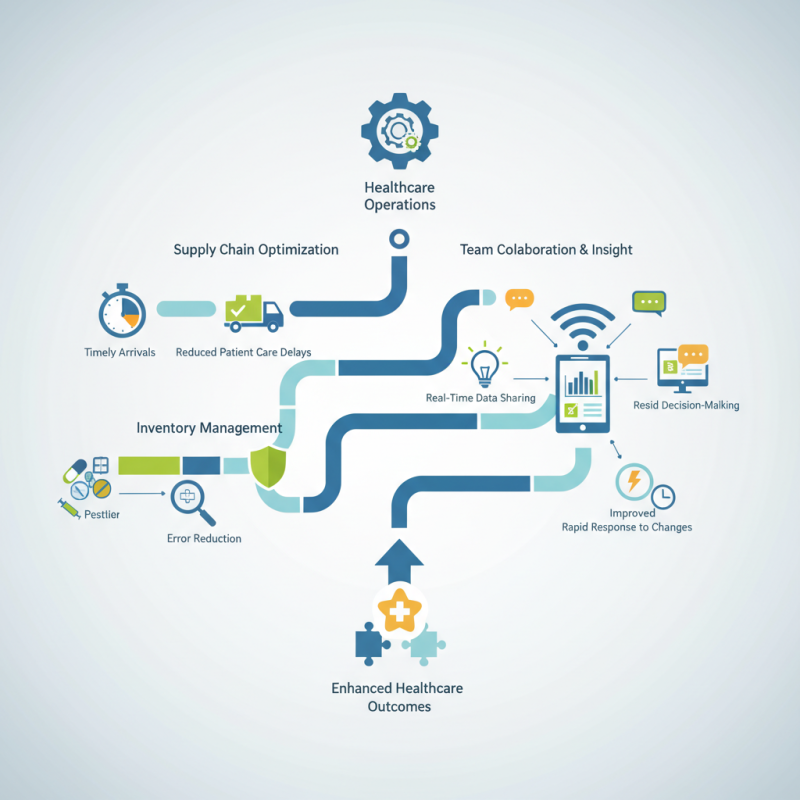
Efficient medical logistics are crucial for healthcare operations. When supplies are delayed, patient care suffers. Hospitals depend on timely delivery of medications and equipment. Streamlined logistics prevent stockouts and wastage. However, many facilities struggle with outdated processes.
Integrated logistics software can optimize inventory management. It tracks supplies in real time. This reduces errors and improves order accuracy. Yet, some staff resist digital solutions. Training is necessary but often overlooked. Resistance may lead to miscommunication, creating inefficiencies.
Proper logistics can enhance patient safety. Delivering the right tools at the right time saves lives. However, not every facility prioritizes this aspect. Cost-cutting measures might compromise logistics systems. Investing in quality logistics is essential for effective healthcare delivery.
Effective medical logistics software is critical for healthcare efficiency. It streamlines the supply chain, ensuring timely delivery of medicines and equipment. According to a report from the World Health Organization, up to 30% of healthcare resources are wasted due to inefficiencies in logistics. This software addresses these challenges.
Key features must include real-time tracking of inventory. Knowing where items are at any moment minimizes delays. Automated reordering is another vital feature. It prevents stockouts that can lead to treatment interruptions. A study showed that healthcare facilities that implemented these features saw a 15% increase in operational efficiency.
Tips: Regularly assess your logistics processes. Even minor adjustments can lead to significant improvements. Staff training on the software is crucial. Employees need to understand how to utilize all features effectively for maximum benefit. Real-time data should guide decisions, but it's essential to review that data regularly to identify areas needing attention.
| Feature | Description | Benefits |
|---|---|---|
| Inventory Management | Real-time tracking of medical supplies and equipment. | Reduces waste, ensures availability, and improves service delivery. |
| Order Management | Streamlines the process of placing and tracking orders. | Increases order accuracy and speeds up procurement times. |
| Automated Reporting | Generates comprehensive reports on logistics performance. | Enhances decision-making by providing actionable insights. |
| Compliance Management | Ensures all operations adhere to healthcare regulations. | Mitigates risks associated with non-compliance. |
| Integration Capabilities | Ability to integrate with existing healthcare systems. | Facilitates seamless data flow across departments. |
Medical logistics software plays a crucial role in enhancing supply chain management in healthcare. It streamlines the movement of medical supplies and equipment. By automating processes, it reduces human error and improves accuracy. This software allows real-time tracking. Healthcare providers can monitor inventory levels and expirations effectively.
Visibility in the supply chain is vital. With proper software, stakeholders can access critical data instantly. This access helps manage stock levels efficiently. Fluctuations in demand can be addressed swiftly. Yet, challenges remain. Integration with existing systems can be cumbersome. Some staff may resist adopting new technology due to uncertainty.
Efficient supply chain management leads to better patient care. Reducing delays in receiving essential supplies impacts treatment outcomes significantly. However, the focus should also be on training staff. Without proper training, the software’s potential might not be fully realized. Continuous improvement in processes is necessary. Supply chain efficiency should evolve with changing healthcare needs.
Medical logistics software plays a vital role in enhancing patient care and safety in healthcare settings. Efficient logistics can significantly reduce the time it takes to deliver critical supplies and medications. According to a 2022 study by the Healthcare Supply Chain Association, nearly 30% of hospitals experienced stockouts of essential items, leading to disrupted patient services. These delays can directly affect patient outcomes.
The integration of medical logistics software streamlines the management of inventory and supplies. Real-time tracking allows healthcare providers to monitor stock levels continuously. This visibility can prevent shortages and ensure that medical teams have the necessary tools at their fingertips. A report from the Journal of Healthcare Management noted that hospitals that implemented such software saw a 25% decrease in inventory costs and a 15% improvement in supply delivery times.
While the benefits are clear, challenges remain. Many healthcare systems still rely on outdated methods. Inefficient processes can lead to confusion and mistakes. A survey from the Institute for Healthcare Improvement highlighted that nearly 22% of healthcare workers reported difficulties in locating supplies when needed. This inefficiency puts patients at risk. Continuous investment in logistics software is needed to address these issues effectively.
The landscape of medical logistics technology is rapidly evolving. Enhancements in software solutions promise to boost efficiency in healthcare. A recent report highlighted that up to 60% of healthcare providers are investing in logistics software. This trend aims to address the complex challenges in inventory management and the delivery of medical supplies.
Innovations such as automation and real-time tracking are at the forefront. These technologies aim to reduce errors and enhance accuracy. Studies show that up to 30% of logistics costs can be minimized by implementing efficient software systems. However, the industry faces hurdles. Some practitioners are resistant to change, fearing disruption in their routine. This reluctance can stifle progress and innovation.
Emerging data analytics tools offer insights that can refine operational workflows. Enhanced decision-making is possible with real-time data. Yet, without proper change management, even the best software may fail to be fully utilized. Addressing these human factors is crucial for harnessing the full potential of medical logistics software.
: It streamlines the supply chain for timely delivery of medicines and equipment.
It minimizes delays by knowing item locations at all times.
Stockouts can lead to treatment interruptions and negatively affect patient outcomes.
It prevents shortages and ensures essential items are always available.
Yes, staff must be trained to understand and use all features effectively.
Facilities saw a 15% increase in efficiency and a decrease in inventory costs.
Many still use outdated methods, leading to confusion and possible mistakes.
Regular assessments and adjustments can lead to significant improvements.
It enhances care by reducing delivery times for critical supplies and medications.
To address ongoing inefficiencies and improve patient safety.
Medical Logistics Software plays a crucial role in enhancing the efficiency of healthcare operations. It optimizes the management of medical supplies, ensuring that critical resources are available when and where they are needed. By streamlining processes such as inventory management and order fulfillment, effective medical logistics software significantly improves supply chain management. This, in turn, has a positive impact on patient care and safety, as healthcare providers can maintain adequate stock levels of essential supplies, reduce delays, and ultimately improve overall service delivery.
Moreover, the future of medical logistics technology is set to evolve with innovations like automation, real-time tracking, and data analytics, which will further refine logistics operations in healthcare settings. As the landscape of healthcare continues to change, the adoption of advanced medical logistics software will be vital in meeting the growing demands for efficiency and improved patient outcomes.

Met Health