Gut health plays a crucial role in overall well-being. Many people overlook this aspect of their health. When we think about our bodies, we often focus on fitness and diet. However, a well-functioning gut is fundamental for proper digestion and nutrient absorption.
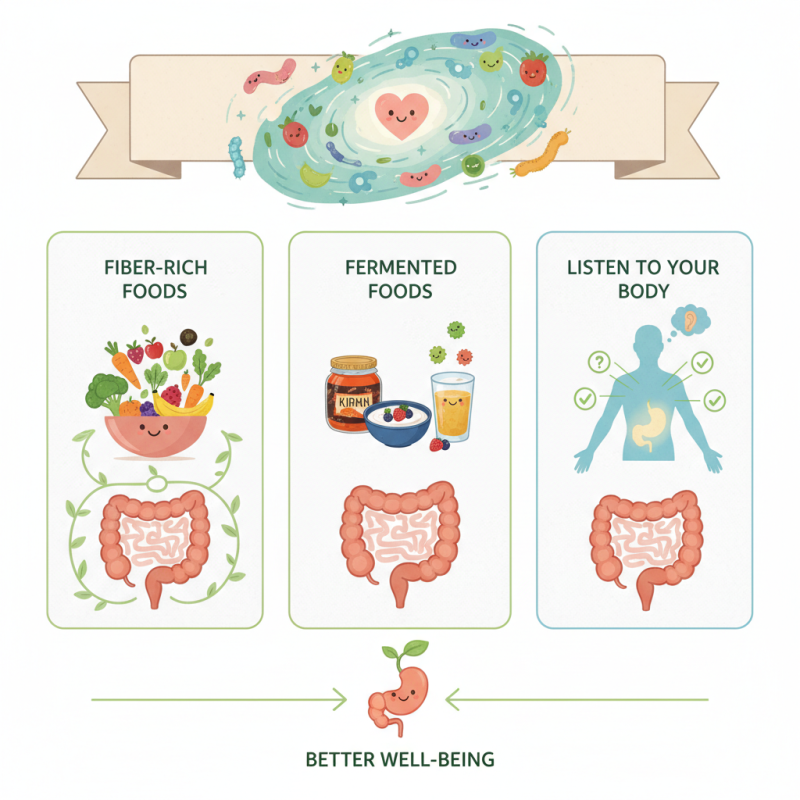
So, how can you improve gut health naturally? The good news is that there are numerous strategies. Incorporating fiber-rich foods, like fruits and vegetables, supports healthy gut bacteria. Fermented foods, such as yogurt or kimchi, can introduce beneficial probiotics. These practices are simple but effective for enhancing gut function.
Yet, it’s important to be mindful of individual responses. What works for one may not work for another. Some may find their digestive system reacts poorly to certain foods. Listening to your body is key. Embracing these natural methods can lead to a happier, healthier gut and a better quality of life.
Understanding Gut Health: The Role of the Microbiome in Overall Well-being
The gut microbiome plays a vital role in our overall well-being. It consists of trillions of microorganisms. These tiny organisms impact digestion, immunity, and even mood. A healthy microbiome can enhance nutrient absorption. Imbalances may lead to digestive issues and inflammation.
To nurture gut health, consider your diet. Incorporate more fiber-rich foods like vegetables, fruits, and whole grains. These foods feed beneficial bacteria. Fermented foods, like yogurt and sauerkraut, also support microbiome diversity. However, it can be challenging to maintain consistency. Many people struggle to eat enough of these foods daily.
Mindfulness in eating habits is crucial. Pay attention to how different foods affect your body. Some may trigger discomfort or fatigue. It’s essential to recognize these signals. Also, stress management plays a significant role. Stress can disrupt gut health. Regular exercise and relaxation techniques can help. Sometimes, it's the small changes that make a big difference. Embrace the journey of discovering what works best for your body.
Improving Gut Health Naturally: The Influence of Dietary Choices
Dietary Changes: Foods That Promote a Balanced Gut Microbiome
To improve gut health, dietary changes are essential. Focus on foods that nourish your microbiome. Fermented foods like yogurt, kefir, and sauerkraut are great options. They contain probiotics, which are beneficial bacteria for digestion. Including these can improve your gut function significantly.
Fiber-rich foods also play a vital role. Vegetables, fruits, and whole grains provide prebiotics. Prebiotics feed the good bacteria in your gut. Think of garlic, onions, and bananas. They help create a balanced environment for these microbes. However, not everyone tolerates fiber well. Some may experience bloating or discomfort.
Don’t forget about hydration. Drinking enough water aids digestion. Herbal teas can be soothing too. While making these changes, listen to your body. Track the foods that help or harm your digestion. Finding balance takes time and patience. It's a journey of learning what works for you.
The Impact of Probiotics and Prebiotics on Digestive Health
Probiotics and prebiotics play a crucial role in gut health. Probiotics are live beneficial bacteria found in foods like yogurt and fermented products. These microorganisms improve digestion and boost the immune system. Research shows that nearly 70% of our immune system is linked to gut health. A balanced gut microbiome encourages the growth of good bacteria while inhibiting harmful pathogens.
Prebiotics, on the other hand, are non-digestible fibers that feed probiotics. Foods rich in prebiotics include garlic, onions, and bananas. A study revealed that consuming prebiotics can increase the abundance of healthy gut bacteria by up to 25%. This combination of probiotics and prebiotics can enhance nutrient absorption and improve overall well-being.
However, not all individuals experience the same benefits. Some may feel bloated or experience digestive discomfort when introducing these elements into their diet. It's important to listen to your body and adjust your intake accordingly. A varied diet paired with proper hydration can help maintain optimal gut health. Understanding your own gut’s response is vital in ensuring a healthier gut journey.
Lifestyle Factors: Exercise and Their Influence on Gut Health
Exercise plays a vital role in improving gut health. Engaging in regular physical activity can enhance digestion and promote a diverse microbiome. This diversity is crucial for effective nutrient absorption and overall well-being. When you exercise, the movement stimulates the intestines, helping food to pass through more smoothly. It can also reduce stress, which positively impacts gut function.
Different types of exercise yield different benefits. Aerobic exercises, like jogging and cycling, increase blood flow to the intestines. This boost encourages the growth of beneficial gut bacteria. Even simple activities, like walking a few minutes each day, can make a difference.
Strength training has its perks too, as it can improve metabolic health and support a balanced gut environment.
Reflection is essential in this journey. Have you noticed how your body reacts to various workouts? Pay attention to these responses. Sometimes, the focus on rigorous fitness regimes can overshadow the importance of listening to your body. Celebrate small victories in your exercise routine. They can lead to significant changes in your gut health. Balancing effort and self-care can create a harmonious relationship with your body.
Stress Management Techniques: Enhancing Gut Function Through Relaxation
Stress plays a significant role in gut health. Research shows that 75% of people experience stress-related digestive issues. Stress can alter gut microbiota, leading to inflammation and decreased gut function. Engaging in relaxation techniques can help mitigate these effects.
Mindfulness practices, like meditation, can enhance gut health. A study found that participants practicing mindfulness saw a 25% improvement in gut function. Deep breathing exercises relax the body and reduce cortisol levels. This, in turn, fosters a healthier gut environment.
Regular physical activity also supports gut health. Exercise boosts circulation and increases beneficial gut bacteria. Aiming for just 30 minutes of moderate exercise daily can have a profound effect. However, it is important to listen to your body. Overexertion may lead to increased stress and negatively impact gut function. Balancing relaxation and movement is crucial.
FAQS
: The gut microbiome consists of trillions of microorganisms. They affect digestion and overall well-being.
Incorporate fiber-rich foods like fruits and vegetables. Fermented foods can also help diversify your microbiome.
Probiotics are beneficial bacteria. They improve digestion and support the immune system.
Prebiotics are non-digestible fibers that feed probiotics. They are found in foods like garlic and onions.
Not everyone experiences the same results. Some may feel bloated or uncomfortable when adding them to their diet.
Mindfulness helps you notice how foods affect your body. Recognizing discomfort can guide dietary changes.
Stress can disrupt gut health. Managing stress through relaxation and exercise is beneficial.
Yes, many struggle to consistently eat enough fiber and fermented foods daily. A balanced approach helps.
Sometimes, minor adjustments in diet and lifestyle can lead to significant improvements in gut health.
Proper hydration supports digestion and helps maintain a healthy microbiome. Drink enough water daily.
Conclusion
Gut health plays a crucial role in overall well-being, largely due to the complex interactions within the gut microbiome. To improve gut health naturally, individuals can make dietary changes by incorporating foods rich in fiber, fermented products, and a variety of fruits and vegetables to support a balanced gut microbiome. Additionally, probiotics and prebiotics are essential for enhancing digestive health by promoting the growth of beneficial gut bacteria.
Lifestyle factors, such as regular exercise, significantly influence gut function, helping to maintain a healthy digestive system. Moreover, managing stress through relaxation techniques can further enhance gut health, as stress has been shown to negatively impact gut function. By focusing on these aspects—diet, exercise, and stress management—one can effectively discover how to improve gut health naturally for better overall well-being.

 Met Health