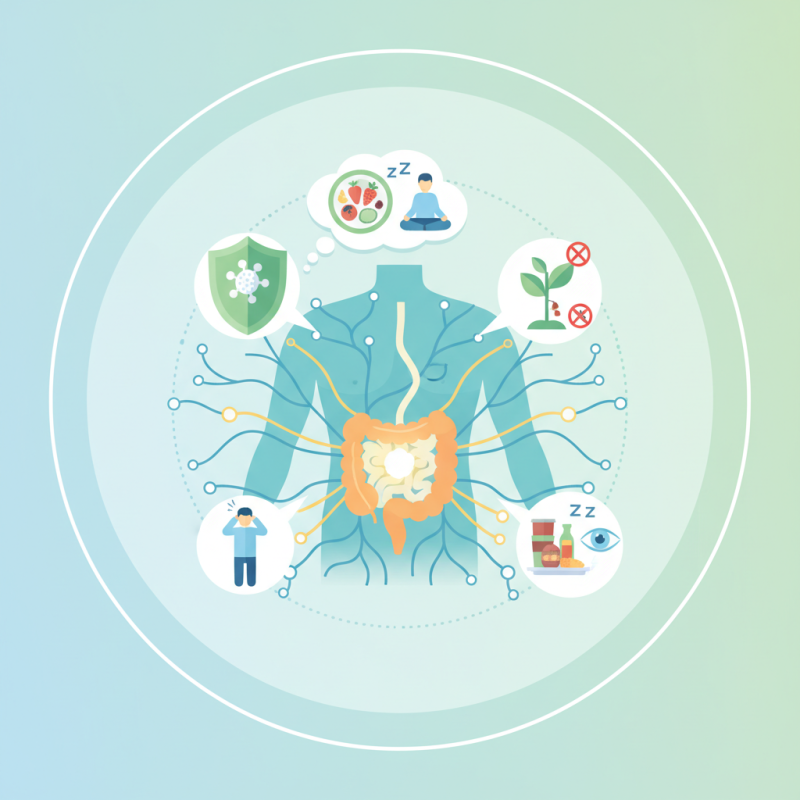
Gut health plays a pivotal role in our overall well-being, especially concerning the immune system. Dr. Mark Hyman, a renowned expert in functional medicine, states, "The gut is the command center of your immune system." This perspective underlines why gut health is important for immunity.
When we think about our immune system, we often overlook the gut. Some studies reveal that nearly 70% of our immune cells reside in the gut lining. A balanced gut microbiome can enhance our immune response and reduce inflammation. Conversely, an unhealthy gut can lead to a weakened immune system, making us more susceptible to infections.
Many people experience digestive issues that impact their health. Stress, poor diet, and lack of sleep can disrupt gut health. This disruption can hinder the immune system's ability to function properly. Reflecting on these challenges can help us appreciate the vital connection between our gut and immune strength.
The Connection Between Gut Health and Immune Function
The connection between gut health and immune function is profound. The gut houses about 70% of our immune system. A diverse gut microbiome can enhance the production of immune cells. Studies indicate that individuals with a balanced microbiome have lower risks of infections. According to research published in Nature, diverse gut bacteria can influence the body’s immune responses, leading to better health outcomes.
To boost your gut health, focus on your diet. Incorporate more fiber-rich foods like fruits, vegetables, and whole grains. These foods promote the growth of beneficial bacteria. Probiotics can also play a role. Fermented foods like yogurt and kimchi can improve gut diversity. However, not all probiotics provide the same benefits. Choose those backed by credible studies.
Mindful eating habits matter too. Chew your food thoroughly. This aids digestion and nutrient absorption. Avoid excessive sugar and processed foods, which can disrupt gut balance. Consider keeping a food diary to reflect on what impacts your digestion and overall health. Small changes can lead to big improvements in your gut and immune health.
Understanding the Gut Microbiome's Role in Immunity
The gut microbiome plays a crucial role in our immune system. This complex community of microorganisms comprises bacteria, viruses, fungi, and other microbes. Research indicates that a diverse gut microbiome is linked to better immune responses. A study published in "Nature" highlights that balanced gut flora can enhance immune cell function.
Probiotic-rich foods and prebiotics nourish beneficial bacteria. These elements can support immune health. For example, a report from the World Health Organization reveals that 70% of our immune system resides in the gut. When the gut is healthy, it creates a better barrier against pathogens. On the other hand, an imbalance, known as dysbiosis, can lead to inflammation and immune dysfunction.
Emerging studies indicate that gut health might influence not only local immunity but also systemic health. For instance, individuals with higher gut microbiome diversity often experience lower levels of autoimmune diseases. However, lifestyle factors such as diet, stress, and antibiotic use can disrupt gut balance. Understanding these intricacies is essential in fostering long-term immunity.
Gut Health and Immunity: Understanding the Connection
How Diet Influences Gut Health and Immune Response
A balanced diet is vital for maintaining gut health, which directly impacts immune function. Foods rich in fiber, like fruits and vegetables, promote the growth of beneficial gut bacteria. These bacteria play a crucial role in breaking down food and producing essential nutrients. A healthy gut microbiome can enhance your body's ability to fend off infections and diseases.
Tips: Include probiotics in your meals. Yogurt, kefir, and fermented foods can boost beneficial bacteria. Eating a variety of foods will also provide diverse nutrients for your gut.
Your daily choices matter. High-sugar and high-fat diets can disrupt gut balance. This imbalance may weaken your immune response. Not everyone reacts the same way to food. It might take time to identify what works for your body. Listening to your gut is essential.
Tips: Stay hydrated. Water is key for digestion and nutrient absorption. Don't forget to manage stress, as it can negatively affect gut health. Stress management techniques, such as mindfulness or light exercise, can support your immune system too.
Why is Gut Health Essential for Strong Immunity? - How Diet Influences Gut Health and Immune Response
| Diet Component |
Impact on Gut Health |
Impact on Immune Response |
Examples of Foods |
| Fiber |
Promotes the growth of beneficial gut bacteria. |
Enhances immune function by reducing inflammation. |
Fruits, vegetables, whole grains, legumes |
| Probiotics |
Support the maintenance of a healthy gut microbiota. |
Help modulate immune responses and prevent infections. |
Yogurt, kefir, sauerkraut, kimchi |
| Prebiotics |
Feed beneficial bacteria, encouraging their growth. |
Facilitate the production of short-chain fatty acids that improve immune responses. |
Garlic, onions, bananas, asparagus |
| Antioxidants |
Protect the gut lining from oxidative stress. |
Boost immune function by reducing oxidative damage. |
Berries, nuts, green tea, dark chocolate |
| Omega-3 Fatty Acids |
Modulate gut inflammation and support microbiome balance. |
Enhance the function of immune cells. |
Fatty fish, flaxseeds, walnuts, chia seeds |
The Impact of Stress and Lifestyle on Gut Health
Our gut health plays a crucial role in our overall immunity. Stress and lifestyle choices significantly impact this vital system. High stress levels can alter gut bacteria, leading to digestive issues and weakened immunity. Poor diet, lack of exercise, and insufficient sleep further exacerbate gut health problems.
Tips: Incorporate fiber-rich foods into your diet. They help nourish beneficial gut bacteria. Regular exercise can also reduce stress, promoting a healthier gut environment. Strive for seven to nine hours of sleep to support overall bodily functions.
The fast pace of modern life often leads to neglecting gut health. People frequently resort to quick, unhealthy meals. This can result in an imbalance of gut flora. Taking time to prepare nutritious meals can make a difference. Reflection on daily habits is essential for improvement. More mindfulness about stress triggers can help maintain a balanced gut.
Strategies for Improving Gut Health to Boost Immunity
Gut health plays a crucial role in strengthening immunity. A balanced gut microbiome can improve your body's response to infections. To achieve this, consider several effective strategies.
Incorporating more fiber-rich foods into your diet is essential. Fruits, vegetables, and whole grains feed good bacteria. Probiotics should also be part of your daily routine. These beneficial bacteria can be found in yogurt and fermented foods. They help maintain a healthy digestive system. Drinking enough water is vital too. It aids digestion and helps nutrients absorb more efficiently.
Mindful eating is often overlooked. Pay attention to what you consume. Avoid excessive sugar and processed foods, as they can harm gut bacteria. Additionally, stress management practices can boost gut health. Techniques like mindfulness and yoga promote relaxation, benefiting your microbiome. Regular exercise is important too. It enhances circulation and supports overall gut function. Implementing these changes can lead to a stronger immune system and better health.
Conclusion
Gut health plays a critical role in maintaining a robust immune system, as evidenced by the intricate connection between gut health and immune function. The gut microbiome, a diverse community of microorganisms residing in our intestines, is essential for regulating immune responses and protecting against infections. An imbalance in this microbiome can compromise immunity and increase susceptibility to diseases.
Moreover, diet significantly influences gut health, with nutrient-rich foods promoting beneficial bacteria while poor dietary choices can lead to dysbiosis. Stress and lifestyle factors also impact gut health, further affecting immune efficiency. To enhance immunity, it is vital to adopt strategies that improve gut health, such as consuming a balanced diet, managing stress, and maintaining a healthy lifestyle. Understanding why gut health is important for immunity lays the foundation for a proactive approach to overall well-being.

 Met Health