The gut plays a crucial role in overall health. According to the American Gastroenterological Association, approximately 70 million Americans suffer from digestive diseases. This alarming statistic underscores the importance of understanding gut health. When asking, "what are the signs of an unhealthy gut?" many people may overlook subtle indicators.
Dr. Will Cole, a leading functional medicine expert, emphasizes that “an unhealthy gut often manifests in ways we dismiss.” Symptoms can range from bloating and fatigue to more severe issues like autoimmune conditions. Notably, a 2021 report from the National Institute of Health indicates that gut dysbiosis affects mood regulation and contributes to mental health disorders.
Recognizing these signs early is essential for taking proactive steps. Ignoring symptoms can lead to more significant health problems down the line. The connection between gut health and the body's overall function cannot be understated. Understanding the signs of an unhealthy gut empowers individuals to seek the appropriate interventions.
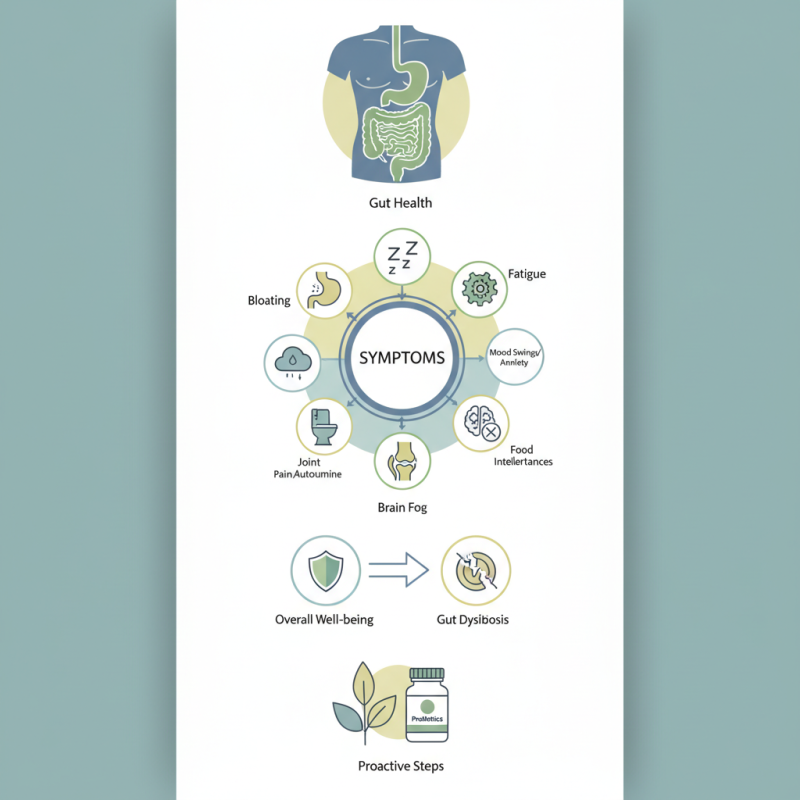
An unhealthy gut can manifest through various signs. These indicators can significantly impact your overall health. Common signs include bloating, gas, and changes in bowel habits. Pay attention to how often you experience discomfort after meals. Frequent heartburn or food intolerances may also signal an imbalance in gut bacteria.
Tips: Keep a food diary. Track what you eat and how you feel afterward. Identify any patterns that emerge. This can help you spot potential triggers for gut issues.
Another critical sign is unintentional weight changes. Rapid weight loss or gain can indicate problems. Stress can also contribute to gut dysfunction. Consider your stress levels and how they affect your digestive system. If you notice skin issues like eczema or acne, they might also reflect gut health concerns.
Tips: Incorporate probiotics into your diet. Foods like yogurt or fermented vegetables can help restore balance. Staying hydrated and managing stress are key to maintaining a healthy gut. Pay close attention to these indicators and listen to your body’s signals.
The gut plays a significant role in our overall health. Research shows links between gut health and chronic diseases. An imbalance in gut bacteria can lead to issues like diabetes, obesity, and even heart disease. It's crucial to pay attention to your gut microbiome. Poor gut health can also affect mental health, linking to anxiety and depression.
To improve gut health, consider dietary changes. Incorporate probiotics into your meals. Foods like yogurt and fermented vegetables are beneficial. A diverse diet rich in fiber is essential. It supports various beneficial bacteria. Limit processed foods and sugar intake. These can disrupt gut balance.
Listen to your body. Signs of an unhealthy gut include bloating, gas, and fatigue. If you experience these symptoms regularly, it’s time for a health check. Reflect on your eating habits and lifestyle choices. Small adjustments can lead to significant improvements. Prioritize your gut health for better overall wellness.
An unhealthy gut can manifest in many ways. One of the most common symptoms is bloating. According to a study by the American Journal of Gastroenterology, about 30% of adults experience bloating regularly. This discomfort often results from food intolerances or an imbalance in gut flora.
Gas is another frequent complaint. A report from the National Institute of Diabetes and Digestive and Kidney Diseases highlighted that gas production is a natural process during digestion. However, excessive gas can indicate an unhealthy gut. It may suggest issues like microbial imbalance or poor digestion of certain foods. Additionally, abdominal discomfort can arise from various causes, including inflammation and sensitivity in the gut.
Gut health is integral to overall well-being. Research indicates that poor gut health may affect mood and immune function. Many people ignore these signs, attributing them to diet or stress. Reflecting on these symptoms is crucial. Addressing gut issues early can lead to better health outcomes down the line. Individuals should listen to their bodies and seek medical advice when symptoms persist.
The gut microbiome is a complex ecosystem of bacteria. These microorganisms play a vital role in digestion and overall health. An imbalance in gut bacteria can lead to various health issues. Symptoms of this imbalance may include bloating, gas, or irregular bowel movements. Reduced energy levels are also common.
Understanding gut bacteria is essential. A diverse microbiome promotes better health. Diet directly impacts this balance. High sugar and processed foods can harm beneficial bacteria. In contrast, fiber-rich foods and probiotics support gut health.
Recognizing the signs of an unhealthy gut requires mindfulness. Look for changes in your digestion. Notice your energy levels and mood fluctuations. Reflect on your diet choices. Small changes can lead to significant improvements in gut health. Each individual's microbiome responds uniquely to different foods and lifestyles.
| Symptoms | Possible Causes | Recommended Actions |
|---|---|---|
| Bloating | Gut microbiome imbalance, food intolerances | Identify trigger foods, consider probiotic supplementation |
| Diarrhea | Dysbiosis, stress, inflammatory diseases | Seek medical advice, maintain hydration, avoid processed foods |
| Constipation | Low fiber diet, gut flora imbalance | Increase fiber intake, stay active, consider digestive enzymes |
| Fatigue | Nutrient malabsorption, chronic inflammation | Consult with a healthcare professional, improve dietary quality |
| Skin Issues | Gut-skin axis imbalance, food sensitivities | Adopt a balanced diet, focus on hydration, consider anti-inflammatory foods |
Diet plays a crucial role in gut health. Consuming excessive processed foods can disrupt the balance of gut bacteria. According to a study by the American Gastroenterological Association, a diet high in sugar and unhealthy fats is linked to increased gut inflammation. This inflammation can lead to various digestive issues and a weakened immune system.
Certain foods can help promote gut health. Fermented foods, such as yogurt and kimchi, contain probiotics. These beneficial bacteria can improve digestion and enhance nutrient absorption. Fiber-rich foods like fruits, vegetables, and whole grains also support gut health by feeding good bacteria. The World Health Organization recommends at least 25 grams of fiber daily for optimal gut function.
Avoiding artificial sweeteners can also be beneficial. Research published in the journal Nature found that these additives may negatively impact gut microbiota. This can result in metabolic disorders over time. Listening to your body is essential. If a food consistently makes you feel unwell, consider reducing or eliminating it from your diet. Understanding these factors is key to maintaining a healthy gut.
: Common signs include bloating, gas, and changes in bowel habits. Pay attention to discomfort after meals.
Food intolerances may indicate an imbalance in gut bacteria, leading to symptoms like gas and bloating.
Keeping a food diary helps identify patterns and potential triggers for gut issues over time.
Unintentional weight changes or skin issues like eczema may reflect underlying gut health concerns.
High-stress levels can disrupt your digestive system and worsen gut health. Mindfulness is necessary.
Incorporating fiber-rich foods and probiotics can help restore balance to your gut microbiome.
An unhealthy gut can lead to reduced energy levels and affect your overall well-being.
Regular reflection on digestion and energy levels can help catch issues early.
It's essential to listen to your body and seek medical advice if symptoms continue despite making changes.
Identifying what are the signs of an unhealthy gut is crucial for maintaining overall wellness. Key indicators include persistent bloating, gas, and discomfort, which can signal an imbalance in the gut microbiome. This imbalance may lead to various chronic diseases, emphasizing the importance of gut health in our overall well-being.
Dietary choices also play a significant role in gut health. Certain foods can exacerbate gut issues, while others can promote a healthier microbiome. By being mindful of what we eat and understanding the symptoms of an unhealthy gut, we can take proactive steps to improve our digestive health and prevent related health problems.
Met Health