In 2026, millions struggle with sleep irregularities, often questioning how can you fix a broken sleep schedule. According to a report by the Sleep Foundation, around 70 million Americans face insomnia or disrupted sleep patterns. Poor sleep impacts mental health, productivity, and overall well-being. The CDC highlights that insufficient sleep can lead to chronic health issues, making it crucial to address these patterns.
Research indicates that technology affects our sleep cycles. Blue light from screens disrupts melatonin production, complicating our ability to reset our internal clocks. A study published in the Journal of Clinical Sleep Medicine found that 30% of adults report trouble sleeping due to technology use. This creates a cycle of fatigue and reliance on stimulants, making the quest for better sleep even more challenging.
Fixing a broken sleep schedule requires commitment and awareness. Small adjustments, like setting consistent sleep times and reducing screen exposure, can yield significant results. Yet, the journey to restorative sleep can be filled with setbacks. Reflecting on personal habits is essential. Understanding what hinders sleep can help tailor effective strategies for restoring balance in our nightly routines.
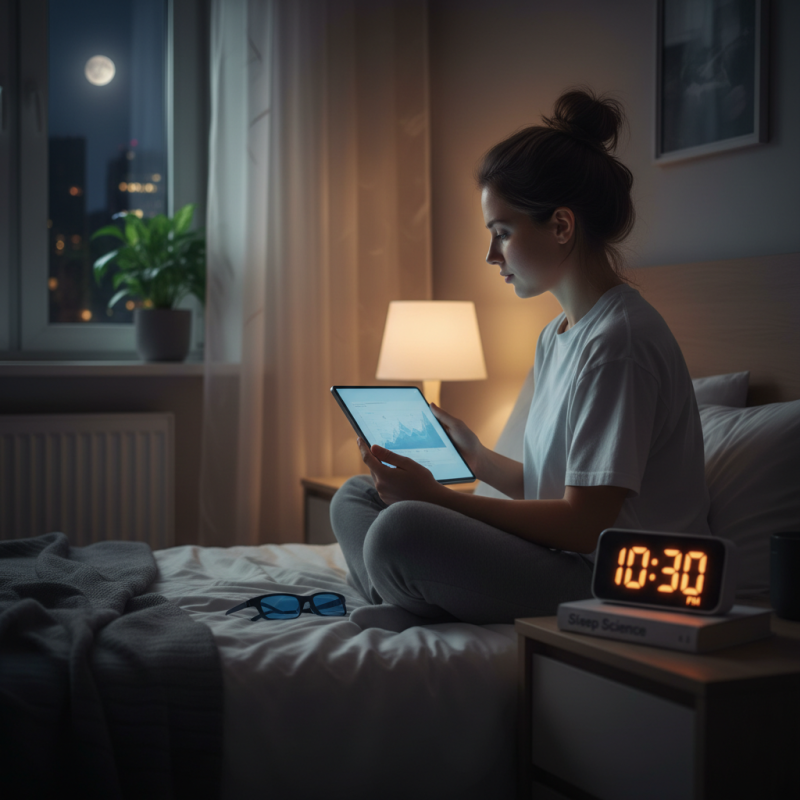
A consistent sleep schedule is vital for overall well-being in 2026. Many people experience sleep irregularities due to work, stress, or technology. This chaos disrupts the body’s natural rhythms. Establishing a routine can significantly enhance sleep quality.
When sleep patterns are inconsistent, it can lead to health issues. Increased stress levels and fatigue often result from inadequate rest. Those struggling with sleep might find it hard to concentrate or relax. A predictable schedule grounds the body, making it easier to fall and stay asleep. Adjusting bedtime gradually can help, allowing the body to adapt.
Creating a restful environment is crucial. Dim lights, calming sounds, or even a good book can signal the brain that it’s time to wind down. Reflecting on habits, such as screen time before bed, can also reveal obstacles to better sleep. Small changes lead to better sleep, but commitment is key.
A broken sleep schedule can stem from various causes. Stress is a major factor. According to a 2022 sleep study by the Sleep Foundation, 30% of adults report that anxiety disrupts their rest. This leads to tossing and turning, making it hard to maintain a consistent sleep pattern.
Poor technology habits also play a role. The blue light emitted by screens can interfere with melatonin production. Research shows that using devices before bed increases sleep onset time by an average of 10-20 minutes. Additionally, irregular sleep times disrupt the body's internal clock, leading to even more problems. National Sleep Foundation data indicates that only 18% of adults stick to a regular sleep schedule.
Another critical issue is physical health. Sleep disorders like insomnia affect millions. According to the World Health Organization, about 10% of the global population suffers from insomnia. This can lead to chronic issues if not addressed. Reflecting on these factors can reveal room for improvement in your sleep habits.
| Cause of Broken Sleep Schedule | Description | Impact on Sleep | Suggested Solutions |
|---|---|---|---|
| Inconsistent Sleep Schedule | Irregular sleep hours due to varying work or lifestyle demands. | Difficulty falling asleep; increased fatigue. | Set a consistent sleep and wake time; use reminders. |
| Screen Time Before Bed | Use of phones, computers, or TVs close to bedtime. | Delayed sleep onset; decreased sleep quality. | Limit screens 1 hour before sleep; use blue light filters. |
| Caffeine and Alcohol Consumption | Intake of stimulants or depressants affecting sleep stages. | Restlessness; shallow sleep. | Reduce intake; avoid consumption 4-6 hours before bed. |
| Stress and Anxiety | Mental health issues leading to racing thoughts at night. | Trouble falling asleep or staying asleep. | Practice relaxation techniques; consider therapy. |
| Health Issues | Medical conditions such as sleep apnea, insomnia, etc. | Frequent awakenings; excessive daytime sleepiness. | Consult a healthcare provider; undergo evaluation. |
Many people struggle with a disrupted sleep schedule in 2026. Fixing it isn't always easy, but with dedication, you can realign your sleep routine. One of the best strategies is to create a strict sleep schedule. Go to bed and wake up at the same time every day. This consistency helps your body recognize when to sleep and wake.
Tips: Avoid caffeine and screens before bedtime. Instead, read a book or listen to soft music. Create a sleep-friendly environment. Keep your bedroom dark, cool, and quiet. Small changes to your space can make a big difference.
Don’t expect immediate results. It may take time for your body to adjust. Reevaluate your nighttime habits. Are you staying active during the day? Regular exercise can help improve sleep quality. However, avoid intense exercise before bed.
Remember that setbacks are normal. Track your progress to see what works. Reflect on your habits weekly. Adjust as necessary to find the most effective routine for you.
Creating an ideal sleep environment is essential for restoring your sleep schedule. Start by controlling the light in your bedroom. Darker rooms signal your body to wind down. Use blackout curtains to block out any intrusive streetlights. Consider using an eye mask, especially if complete darkness isn't possible.
Temperature plays a crucial role as well. A cooler room, around 60-67 degrees Fahrenheit, promotes sleep more effectively than warmer spaces. Experiment with different settings to find what works best for you. A fan can help circulate air.
Sound is another important factor. If your environment is noisy, think about using a white noise machine. Soft sounds can drown out disruptive noises. Earplugs may help, too.
Lastly, keep digital screens away from your bed. The blue light emitted can tamper with your body’s sleep signals. Create a tech-free zone to improve your rest quality. Reflect on your current habits. Are they supporting your goal of better sleep?
In 2026, technology continues to shape our lives, including our sleep patterns. Research shows that nearly 70% of adults report disrupted sleep due to varying factors. Utilizing apps and wearable devices can help manage this issue. These tools provide insights into sleep quality by tracking duration and cycles, making it easier to identify problems.
One effective approach is using a sleep-tracking app. These apps can analyze sleep stages and provide personalized feedback. They may suggest ideal bedtimes based on your sleep data. Consider a gradual shift in sleep hours if you're facing irregularity. This gradual change allows your body to adjust better.
How you set up your sleeping environment is crucial. Blue light from screens disrupts melatonin production. Avoid screens at least an hour before sleep. Instead, cultivate a calming pre-sleep routine. Simple techniques like reading, meditation, and dim lighting enhance sleep quality. With consistent effort and the right tech, improving your sleep schedule becomes more feasible.
: Stress is a major factor. Anxiety disrupts rest for many adults.
Blue light from screens interferes with melatonin. It can delay sleep onset by 10-20 minutes.
Only 18% of adults maintain a regular sleep routine. This inconsistency can create more sleep issues.
About 10% of the global population suffers from insomnia. This can lead to serious health issues.
Create a strict sleep schedule. Go to bed and wake up at the same time each day.
Avoid caffeine and screens. Try reading or listening to soft music instead.
Keep your bedroom dark, cool, and quiet. Small changes can significantly enhance sleep quality.
No, it may take time for your body to adjust. Be patient and track your progress.
Staying active during the day improves sleep quality. But avoid intense workouts before bed.
Setbacks are normal. Regularly reflect on your habits and adjust as needed for improvement.
In "How to Fix a Broken Sleep Schedule in 2026," the article highlights the critical role of maintaining a consistent sleep schedule for overall well-being. It begins by explaining the significance of a regular sleep routine and the potential health impacts of disruptions. The article identifies common causes of broken sleep schedules, such as lifestyle changes, excessive screen time, and stress.
To address the question, "how can you fix a broken sleep schedule," the article provides step-by-step strategies aimed at realigning your sleep patterns. These strategies include setting a regular sleep and wake time, limiting daytime naps, and developing a pre-sleep routine to signal your body for rest. Additionally, readers are encouraged to create an ideal sleep environment that promotes better rest and leverage technology for monitoring sleep patterns, ensuring a holistic approach to achieving healthier sleep habits in 2026.

Met Health