10 Factors That Weaken Your Immune System Today?

Time:2026-06-04 Author:Sophia
0%

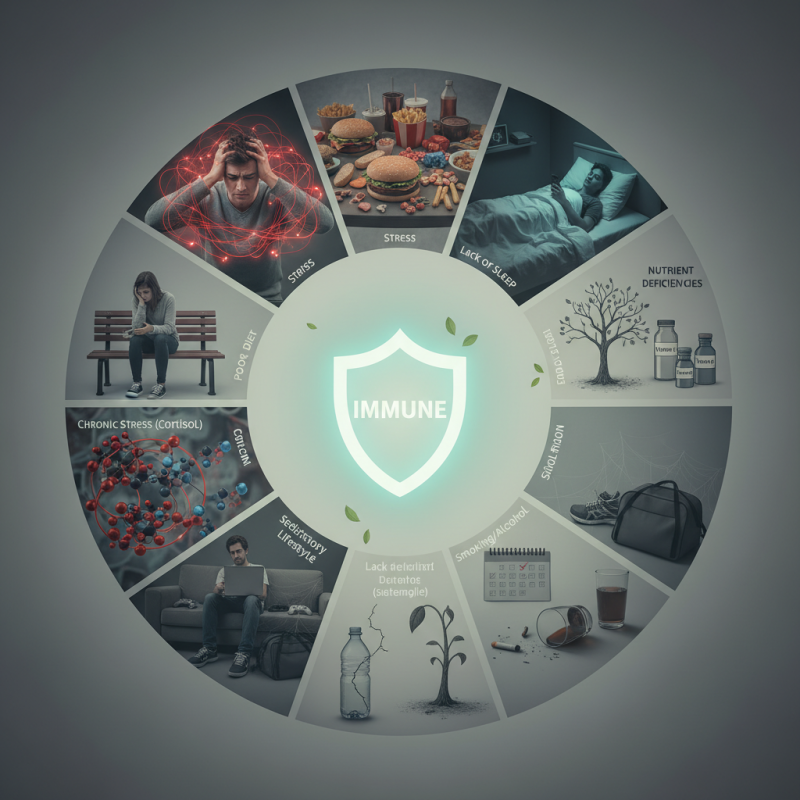
Understanding what factors weaken the immune system is crucial for maintaining good health. Many people overlook simple habits that could harm their immune response. Stress, poor diet, and lack of sleep are just a few common issues that might weaken your defenses.

Your immune system relies on a balanced lifestyle. Nutrient deficiencies, especially in vitamins C and D, can lead to weakened immunity. Additionally, chronic stress produces cortisol, which can inhibit immune function. Ignoring these issues can increase your vulnerability to infections.

Social isolation is another overlooked factor. Human connections play a role in supporting our health. Reflecting on these elements is essential for understanding your immune health. Consider changes that can bolster your defenses. Taking action today can lead to a healthier future.
10 Factors That Weaken Your Immune System Today?

Poor Nutrition and Its Impact on Immune Function

Poor nutrition significantly undermines immune function. According to the World Health Organization, malnutrition contributes to over 2 million deaths annually in children under five. Diets low in essential nutrients deprive the body of the necessary tools to fight infections. A lack of vitamins A, C, D, and minerals like zinc can hinder immune cell production and function.

Research indicates that diets high in processed foods can negatively affect gut health. This is critical because about 70% of the immune system resides in the gut. A 2020 study published in Nutrition Reviews found that fiber-rich foods promote the growth of beneficial gut bacteria. Yet, many people still consume diets rich in unhealthy fats and sugars. This imbalance can lead to chronic inflammation, further weakening immune responses.

Micronutrient deficiencies, especially vitamin D, can impair immune regulation. The National Institutes of Health notes that vitamin D is linked to respiratory tract infections. People living in areas with limited sunlight are particularly vulnerable. Reflecting on our eating habits can be eye-opening. Prioritizing whole foods, such as fruits, vegetables, and whole grains, is crucial for bolstering immunity. The connection between what we eat and our immune health is undeniable and worthy of our careful consideration.

10 Factors That Weaken Your Immune System Today?

Factor Impact on Immune Function Recommended Action
Poor Nutrition Lack of essential vitamins and minerals Increase intake of fruits and vegetables
Chronic Stress Suppresses immune response Practice stress management techniques
Lack of Sleep Reduces antibody production Aim for 7-9 hours of quality sleep
Sedentary Lifestyle Weakens immune function Engage in regular physical activity
Smoking Damages immune cells Quit smoking
Excessive Alcohol Consumption Impairs immune defense Limit alcohol intake
Obesity Alters immune response Maintain a healthy weight
Poor Hydration Affects lymphatic system Drink adequate water daily
Age Natural decline in immune function Adopt a healthy lifestyle

Chronic Stress and Its Detrimental Effects on Immunity

Chronic stress significantly impacts our immune system. Studies show that prolonged stress can lower immune responses, making us more susceptible to infections. According to a report by the American Psychological Association, nearly 77% of people regularly experience physical symptoms of stress. These symptoms can range from headaches to digestive issues, revealing how deeply stress affects our overall health.

When we're under stress, our bodies release cortisol, a hormone that, in high levels, suppresses many functions of the immune system. Research indicates that chronic stress can lead to inflammation and a weaker defense against pathogens. A Journal of Immunology study highlights that stressed individuals have a reduced number of immune cells, such as T-cells. This reduction makes it harder for the body to fight off diseases. Actively managing stress can enhance our immunity and overall health.

People often neglect the signs of stress. They push through exhaustion and forget to care for their well-being. In doing so, they may unintentionally compromise their immune responses. It’s crucial to acknowledge that ignoring stress can lead to more significant health issues down the line. Seeking balance through mindfulness, regular exercise, and social support can empower individuals. Recognizing the toll of stress is the first step towards a healthier immune system.

Sedentary Lifestyle: How Lack of Exercise Weakens Defense Mechanisms

A sedentary lifestyle significantly weakens our immune system. According to the World Health Organization, physically inactive individuals face a higher risk of chronic diseases. Lack of exercise can lead to increased inflammation, which can weaken your body’s defense mechanisms. Data shows that regular physical activity can enhance the production of antibodies, vital for immune response.

Moreover, an inactive lifestyle can result in weight gain and obesity. Research conducted by the National Institutes of Health indicates that excess body fat impairs immune function. A study found that individuals who engage in at least 150 minutes of moderate exercise weekly have a much stronger immune response. Yet, many struggle to incorporate even basic movement into their daily routines.

It’s crucial to find ways to stay active, even when busy schedules interfere. Simple activities like walking or stretching can make a difference. Reflecting on our daily habits can reveal gaps where exercise can easily fit in. Embracing movement, no matter how small, can significantly boost our immune health.

10 Factors That Weaken Your Immune System Today

This chart illustrates various factors that negatively impact the immune system, rated on a scale from 1 to 10, with 10 being the highest impact.

Insufficient Sleep: The Role of Rest in Immune Health

Insufficient sleep significantly weakens your immune system. Lack of restful sleep affects your body’s ability to produce cytokines. These proteins help fight infection and inflammation. When your sleep is disrupted, your body cannot respond effectively to pathogens. This can lead to a higher risk of illness.

Tips for improving your sleep hygiene:

  • Create a relaxing bedtime routine.
  • Establish a consistent sleep schedule, even on weekends.
  • Limit screen time before bed to reduce blue light exposure.
  • A dark, cool environment promotes better sleep.
  • Consider using calming scents, such as lavender, to foster relaxation.

Maintaining a sleep-friendly diet is crucial. Avoid large meals before bedtime. Caffeine and alcohol can interfere with sleep cycles, leading to poor rest quality. Monitor your daily activities and incorporate relaxation techniques like meditation. Focusing on your breathing can help clear your mind before bed. Reflect on your stressors, but let them go as you prepare for sleep.

Smoking and Alcohol Consumption: Their Toll on Immune Resilience

Smoking and excessive alcohol consumption are both notorious for sabotaging our immune systems. Studies reveal that smokers are 50% more likely to develop respiratory infections. The harmful substances in cigarettes impair the activity of immune cells, making it harder for the body to fight off pathogens. This recurrent stress leads to a cycle of weakened defenses and increased vulnerability.

Alcohol presents its own challenges. Research indicates that high intake can dilute the immune response by disrupting the production of antibodies. Chronic alcohol consumption has been linked to a 35% increase in the risk of pneumonia and other viral infections. This is particularly concerning given that many people underestimate the impact of their drinking habits.

Moreover, the social contexts often surrounding smoking and drinking complicate matters. Stress and peer pressure can exaggerate these behaviors, further compromising immune health. Recognizing the toll these habits take is vital. It's essential to reflect on how lifestyle choices correlate with long-term health outcomes. Balancing social enjoyment with well-being is crucial for fostering a resilient immune system.

FAQS

: How does poor nutrition affect the immune system?

: Poor nutrition undermines immune function, making the body vulnerable to infections.

What role do vitamins play in immunity?

Vitamins A, C, D, and minerals like zinc are essential for producing immune cells.

How does gut health relate to immune strength?

About 70% of the immune system is in the gut. Healthy gut bacteria support immunity.

What are the effects of chronic stress on immunity?

Chronic stress lowers immune responses, making people susceptible to infections.

How does cortisol impact the immune system?

High cortisol levels suppress immune functions and lead to inflammation.

Why is mindfulness important for immune health?

Mindfulness helps manage stress and can strengthen immune responses over time.

What are the risks of smoking on immune health?

Smokers have a higher chance of respiratory infections due to impaired immune cells.

How does alcohol consumption affect immunity?

High alcohol intake disrupts antibody production, increasing illness risk.

What lifestyle changes can improve immunity?

Prioritizing whole foods, managing stress, and exercising can bolster immune health.

Why should we reflect on our daily habits?

Examining eating and lifestyle choices can reveal areas that need improvement for health.

Conclusion

Understanding what factors weaken the immune system is crucial for maintaining overall health. A significant contributor is poor nutrition, as a diet lacking essential vitamins and minerals can impair immune function. Chronic stress also plays a detrimental role, as heightened stress levels can disrupt the body's natural defenses. Additionally, a sedentary lifestyle can weaken defense mechanisms, making individuals more susceptible to infections.

Moreover, insufficient sleep is another vital factor; lack of rest compromises the body's ability to fight off illness. Lastly, habits such as smoking and excessive alcohol consumption have a negative impact on immune resilience. By addressing these factors—improving diet, managing stress, encouraging physical activity, prioritizing sleep, and avoiding harmful substances—individuals can significantly enhance their immune health.

Sophia

Sophia

Sophia is a dedicated marketing professional with an exceptional depth of knowledge about her company's products and services. With a keen understanding of market trends and customer needs, she crafts insightful blog posts that not only inform but also engage readers, enriching the company’s online......