In recent years, Wireless Medical Devices have transformed healthcare. These innovations offer convenience and efficiency. Patients can monitor their health remotely with ease. This shift improves outcomes and enhances quality of life.
The market for Wireless Medical Devices is rapidly expanding. Wearable technology, like fitness trackers, plays a crucial role. Sensors that monitor vital signs are becoming more common. Yet, despite the advancements, challenges remain. Issues related to data security and privacy cannot be overlooked.
Furthermore, the integration of Wireless Medical Devices into healthcare systems requires careful planning. Not all devices are user-friendly, and some require technical knowledge. The learning curve can be steep for certain patients. As we move forward, balancing innovation and accessibility will be vital.
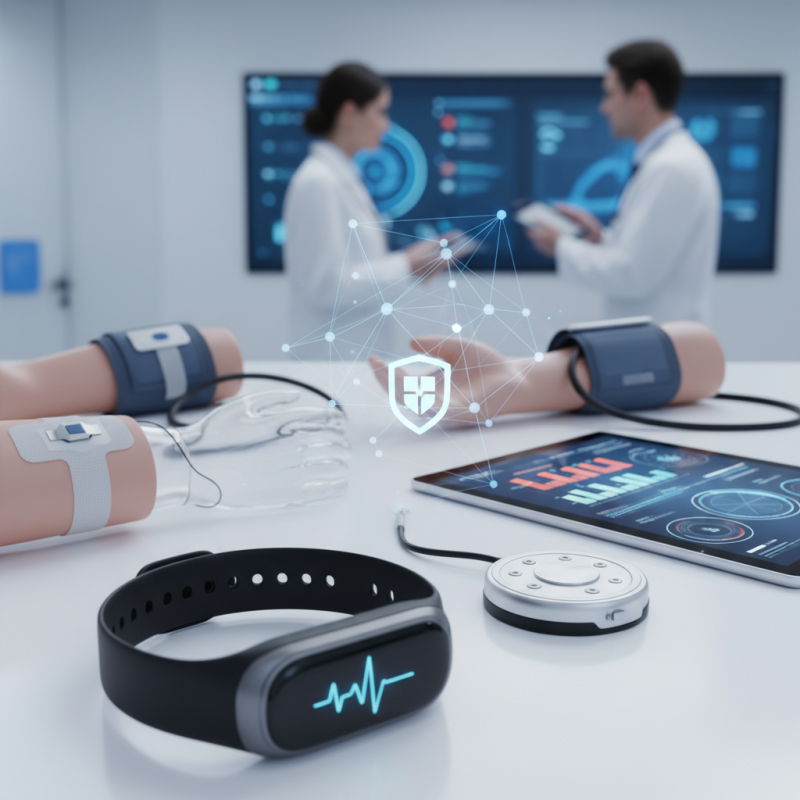
Wireless medical devices are transforming healthcare in China. These technologies enable remote patient monitoring, faster diagnosis, and improved treatment options. More healthcare providers are adopting these innovations, leading to a shift in traditional practice.
Recent trends show a rise in wearable devices. These devices monitor heart rates, blood sugar levels, and physical activity. Patients can receive real-time updates on their health. However, data security remains a concern. As these devices collect more personal information, protecting that data is crucial.
Wireless connectivity allows healthcare professionals to access vital information quickly. In rural areas, this access can be life-saving. Yet, in many cases, network interruptions can lead to a breakdown in communication. Future developments must address these challenges to enhance reliability. The potential is immense, but there’s room for improvement.
The wireless medical device sector is rapidly evolving, driven by key trends. Increasing healthcare costs and a growing aging population are significant factors. According to a recent report, the global wireless medical device market is projected to reach $259.2 billion by 2026, reflecting a compound annual growth rate (CAGR) of 25.4%. This is a clear incentive for innovation.
Telehealth has surged, especially after the pandemic. Reports indicate that 74% of healthcare providers now use telehealth solutions. This shift has led to more devices being developed for remote monitoring. Innovations include wearable health trackers and smart sensors. However, some challenges linger. Data security and patient privacy remain critical issues for developers.
Tip: Prioritize user-friendly designs. Patients should easily understand how to use these devices. Simplicity fosters engagement and enhances health outcomes. Not all innovations succeed on the first try. Regular feedback from users helps refine these technologies.
Moreover, interoperability is essential. Devices must seamlessly share data with electronic health records. However, many manufacturers struggle with this integration. The need for standardization is pressing yet often overlooked in the rush to innovate. Prioritizing collaboration could alleviate these issues.
| Trend | Description | Impact | Future Outlook |
|---|---|---|---|
| Telehealth Expansion | Increased adoption of remote health monitoring devices. | Improved access to healthcare services, especially in rural areas. | Projected growth in telehealth solutions by over 25% in the next 5 years. |
| Wearable Health Monitoring | Rise in the use of fitness trackers and smartwatches for health metrics. | Increased patient engagement and self-management of health conditions. | Expected to reach a market value of over $40 billion by 2026. |
| Mobile Health Applications | Growth in apps for managing chronic diseases and medication adherence. | Enhanced patient adherence and improved clinical outcomes. | Forecasted to double in usage within the next 3 years. |
| Internet of Medical Things (IoMT) | Integration of connected medical devices and applications for enhanced data collection. | Better data-driven decisions and operational efficiency in healthcare. | Projected growth rate of over 30% in the next 5 years. |
| Data Security and Privacy | Increased emphasis on securing health data against cyber threats. | Greater trust and patient confidence in telehealth solutions. | Continued investment in security technologies expected. |
The wireless healthcare market in China is undergoing remarkable changes. Emerging technologies are reshaping patient care and diagnostics. According to a Market Research report, the wireless medical device market is expected to reach $35 billion by 2025, growing at a CAGR of 25% from 2020.
Wearable devices are gaining traction. They enable continuous monitoring of vital signs. This trend is driven by an increase in health awareness among the population. However, concerns about data security and privacy persist. A survey showed that 45% of users worry about how their health data is handled.
Telemedicine solutions are also on the rise. They provide remote consultations and follow-ups, especially in rural areas. However, the quality of care can sometimes be inconsistent. An analysis revealed that about 30% of patients felt disconnected during virtual visits. Innovations in AI and machine learning are promising, but the implementation lag remains an issue. Regulatory challenges further complicate the pace of adoption, highlighting the need for clearer guidelines.
The regulatory landscape for
wireless medical devices in
China is evolving. This rapid change
brings both opportunities and challenges. Regulatory bodies are working to adapt standards
for novel technologies. Ensuring patient safety
and device efficacy is paramount. However, frequently changing regulations can create
confusion for innovators.
Additionally, companies often find it difficult to navigate the complex
certification processes. Delays in approvals can hinder market entry. Many firms
struggle to comply with both international and local standards. This can lead to
frustration, as resources are drained in the process. Communication between regulators
and manufacturers needs improvement.
There is room for better alignment
between innovation and regulation. As technology evolves, so should the frameworks
governing its use. An agile approach
could foster a more conducive environment for innovation. Creating clearer guidelines is
essential. This would benefit both creators
and users of wireless medical devices.
The future of wireless medical devices in China looks promising, driven by rapid advancements in technology. Many hospitals are now adopting telehealth solutions. These innovations aim to enhance patient care and streamline healthcare services. Wireless monitoring devices play a crucial role in this transformation. They allow doctors to track patients' health remotely. This technology can help detect issues early. However, device reliability remains a concern.
Data security is another critical issue. With an increase in data transmission, protecting patient information is vital. Patients may hesitate to share personal health data due to privacy fears. Trust must be cultivated between patients and healthcare providers. Additionally, many healthcare professionals need training to use these advanced devices effectively. There’s a clear need for better education and awareness in the medical field.
Integration with existing systems poses another challenge. Many facilities still rely on outdated infrastructure. New wireless devices may face compatibility issues. There’s a lot of potential, but hurdles exist that need addressing. Collaboration between tech companies and healthcare providers is essential. By focusing on these challenges, the industry can unlock the full potential of wireless medical devices in China.
: Key factors include rising healthcare costs and an aging population. Innovation is crucial to address these challenges.
Telehealth use surged post-pandemic. Now, 74% of healthcare providers use such solutions, increasing demand for remote monitoring devices.
Innovations include wearable health trackers and smart sensors. These tools enable continuous health monitoring and data collection.
Yes, data security and patient privacy are major concerns. Many users worry about how their health data is managed.
Simple designs help patients understand usage better. This can improve engagement and lead to better health outcomes.
Devices should share data with electronic health records seamlessly. However, many manufacturers struggle to achieve this integration.
Emerging technologies are enhancing patient care. The market is projected to reach $35 billion by 2025, reflecting significant growth.
While they are popular for monitoring, user concerns about data security persist. Nearly half of users worry about their health data.
Quality of care can vary, with some patients feeling disconnected during virtual visits. This inconsistency can hinder effective treatment.
Regulatory challenges can slow down innovation. Clear guidelines are needed to facilitate the integration of emerging technologies in care.
The landscape of Wireless Medical Devices in China is rapidly evolving, driven by key trends such as increased demand for remote patient monitoring and the rise of telehealth solutions. Innovations in this sector are supported by emerging technologies, including advanced sensors, Internet of Things (IoT) integration, and AI-driven analytics, all aimed at improving patient outcomes and healthcare accessibility.
However, the development of Wireless Medical Devices also faces regulatory challenges, with the need for stringent standards to ensure safety and efficacy. As the market continues to grow, future prospects look promising, suggesting a transformative shift in how healthcare is delivered across the country, emphasizing both patient-centric approaches and the integration of technology into daily healthcare practices.

Met Health