Why do some people get sick more often than others? The answer is rarely simple. Genetics, sleep, stress, nutrition, age, and daily exposure can interact in unexpected ways. A person who sleeps five hours may recover differently from someone who rests for eight. A crowded commute, seasonal pollution, or frequent contact with children can also increase exposure to infections.
This China Top 10 guide examines the most common and practical reasons behind repeated illness. It considers evidence from medical research, public health guidance, and observations from everyday life in Chinese cities and rural communities. Some people may notice more colds during winter, while others experience digestive problems after irregular meals or unsafe food handling. These patterns matter, but they do not prove a single cause.
Individual differences are real. So are environmental influences. Healthcare professionals may check medical history, vaccination status, stress levels, sleep quality, and underlying conditions before offering an explanation. A weak immune response is only one possibility. Sometimes, the real issue is overlooked recovery time.
The picture is not perfect. Research cannot explain every case. This list should not replace professional medical advice or personal evaluation. Still, it can help readers notice useful clues, ask better questions, and recognize when repeated symptoms deserve attention. Persistent fever, breathing difficulty, unexplained weight loss, or worsening symptoms require timely medical care. Small details can reveal larger patterns.
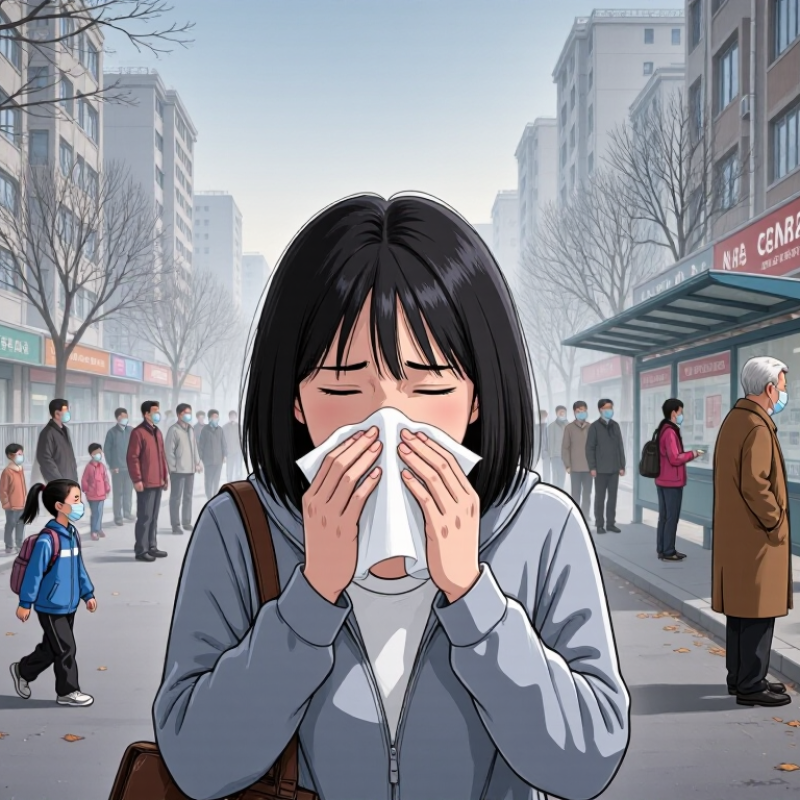
China Top 10: Why Do Some People Get Sick More Often?
What Frequent Illness Means and How It Is Measured
Getting sick often does not automatically mean weak immunity. Repeated colds may reflect workplace exposure, poor sleep, allergies, stress, or an untreated condition. Healthcare professionals usually examine patterns instead of counting symptoms alone. They may record infection frequency, fever duration, symptom severity, recovery time, and missed school or workdays. A sore throat lasting two days differs greatly from pneumonia requiring hospital care.
Measurement works best over several months. Keep a simple diary with dates, temperature readings, symptoms, medicines, and recovery time. Note crowded travel, sleep changes, and close contact with sick people. This creates useful evidence for a medical appointment. Blood tests or immune evaluations may be considered when infections are unusually severe, persistent, or difficult to treat. However, one abnormal result rarely explains everything. Medicine is careful, but never perfect.
Tips: Record each episode promptly. Use a thermometer, not guesswork. Seek professional advice for breathing difficulty, dehydration, repeated high fevers, or infections needing frequent treatment. Review sleep, nutrition, stress, and indoor air quality. Self-tracking helps, yet it can miss mild episodes and overemphasize memorable ones. That limitation deserves attention.
Key population health factors and practical indicators used to understand recurrent illness in China
| No. | Factor or Indicator | China Data Point | How It Is Measured | Why It May Be Linked to Frequent Illness | Reference Year / Source |
|---|---|---|---|---|---|
| 1 | Population ageing | People aged 65 and over represented about 15.4% of China’s population. | Population structure is measured by the percentage of residents in the 65-and-over age group. | Older age is associated with a higher risk of chronic disease, reduced immune response, falls, and complications from infections. | 2023 National Bureau of Statistics |
| 2 | High blood pressure | The estimated prevalence among Chinese adults aged 18 and over was 27.5%. | Blood pressure is usually classified using repeated readings, medical history, and antihypertensive treatment status. | Hypertension can damage the heart, kidneys, brain, and blood vessels, increasing vulnerability to serious health events. | 2018 China National Health Survey |
| 3 | Diabetes | The estimated prevalence among Chinese adults was 11.9%. | Diabetes is assessed through fasting glucose, oral glucose tolerance testing, glycated haemoglobin, or a previous diagnosis. | Persistently high blood glucose can impair immune function and increase the risk of infections and slow wound healing. | 2018 China National Health Survey |
| 4 | Overweight and obesity | Approximately 50.7% of Chinese adults were overweight or obese under national criteria. | Body mass index is calculated as weight in kilograms divided by height in metres squared; waist circumference may also be used. | Excess body weight is associated with chronic inflammation, sleep-disordered breathing, diabetes, and poorer outcomes from respiratory infections. | 2018 China National Health Survey |
| 5 | Tobacco exposure | The adult current-smoking rate was 26.6% among people aged 15 and over. | Smoking status is commonly measured through standardized surveys covering current, former, and never smoking, including cigarette frequency. | Tobacco smoke damages airway defenses and is linked to recurrent cough, respiratory infections, cardiovascular disease, and cancer. | 2018 China Adult Tobacco Survey |
| 6 | Fine-particle air pollution | China’s national average annual PM2.5 concentration was about 30 μg/m³ in 2023. | PM2.5 is measured as the average concentration of airborne particles 2.5 micrometres or smaller, reported in micrograms per cubic metre. | Fine particles can irritate the airways, worsen asthma and chronic lung disease, and increase respiratory and cardiovascular risks. | 2023 Ministry of Ecology and Environment |
| 7 | Insufficient physical activity | The standard adult activity target is 150–300 minutes of moderate activity or 75–150 minutes of vigorous activity per week. | Activity is evaluated using weekly minutes of moderate-to-vigorous physical activity, often through questionnaires, activity diaries, or wearable devices. | Regular movement supports cardiovascular health, metabolic control, sleep, muscle function, and immune regulation. | WHO guideline 2020 |
| 8 | Insufficient sleep | Adults generally need at least 7 hours of sleep per night on a regular basis. | Sleep is assessed by reported duration, sleep quality, daytime impairment, regularity, and, when needed, sleep studies or wearable monitoring. | Short or disrupted sleep may affect immune signaling, stress regulation, blood glucose, blood pressure, and recovery from illness. | International adult sleep guidance |
| 9 | Chronic disease burden | Non-communicable diseases accounted for approximately 88.5% of deaths in China in 2019. | Burden is measured through mortality records, disease prevalence, disability-adjusted life years, healthcare use, and long-term treatment needs. | People with several chronic conditions may experience more symptoms, medication needs, medical visits, and complications from common infections. | 2019 National Health Commission |
| 10 | Repeated illness episodes | There is no single universal national cutoff for “getting sick often.” | Clinicians consider the number of episodes per year, duration, severity, confirmed diagnosis, antibiotic use, missed work or school, and recovery between episodes. | Frequent symptoms may reflect repeated exposure, allergies, asthma, chronic disease, sleep problems, medication effects, or an underlying immune disorder rather than “weak immunity” alone. | Clinical assessment principle |
Interpretation: These indicators describe population-level risks and measurement methods; they do not diagnose an individual. Recurrent, severe, unusually long-lasting, or repeatedly confirmed infections should be evaluated by a qualified healthcare professional.
No. Repeated colds may reflect poor sleep, allergies, stress, crowded workplaces, or untreated conditions. A two-day sore throat differs from pneumonia requiring hospital care. The pattern matters more than the label.
Track dates, temperature readings, symptoms, medicines, recovery time, and missed workdays. Record crowded travel and contact with sick people. Use a thermometer, not guesswork. Several months of notes can reveal patterns.
Long sitting, irregular meals, limited movement, poor sleep, and chronic stress can slow recovery. High salt intake may also raise blood pressure. Small changes help, but I sometimes expect quick results too easily.
Yes. Roadside particles, cooking fumes, and poorly ventilated rooms may irritate the airways. Open windows when outdoor air is suitable. Use ventilation while cooking. Children, older adults, and people with asthma may notice symptoms sooner.
Asthma, diabetes, kidney disease, anemia, sleep disorders, and chronic lung conditions may cause repeated or persistent symptoms. Diabetes can slow wound healing. A small cut that remains red for days deserves attention.
Seek help for breathing difficulty, dehydration, repeated high fevers, or infections needing frequent treatment. Persistent symptoms also deserve assessment. Do not wait for a perfect diary. Safety comes first.
Testing may include blood work or immune evaluations when infections are severe, persistent, or difficult to treat. One abnormal result rarely explains everything. Medical reasoning has limits, and results need context.
No. A diary can miss mild episodes and exaggerate memorable ones. Review sleep, nutrition, stress, air quality, blood pressure, medications, and symptom timing. Useful evidence is not the same as certainty.
Getting sick frequently can mean experiencing infections or other health problems more often than expected, although the exact definition varies by age, lifestyle, and medical history. Understanding why do some people get sick more often than others requires examining several factors, including immune system function, genetics, age, sleep quality, nutrition, stress, and exposure to crowded or polluted environments. Repeated illness may also be connected to allergies, asthma, diabetes, or other underlying conditions that affect the body’s ability to recover.
Reducing the risk of frequent sickness begins with practical habits such as eating a balanced diet, staying physically active, getting enough rest, managing stress, and maintaining good hygiene. Limiting exposure to avoidable environmental risks and seeking professional medical advice when symptoms persist can also be important. By identifying personal risk factors and addressing them early, people may strengthen their overall health and reduce the frequency and severity of future illnesses.

 Met Health