Poor sleep rarely has one simple cause. For many adults, the problem begins with an ordinary evening: a bright phone beside the pillow, unfinished work, or coffee consumed too late. Night after night, these small disruptions can shorten deep sleep and leave the body feeling heavy at breakfast.
Understanding what causes poor sleep quality in adults requires looking beyond mattresses and sleep trackers. Stress, irregular schedules, alcohol, pain, allergies, menopause, and conditions such as sleep apnea may all interfere with restorative rest. Bedroom temperature and noise matter too. A room that feels comfortable at 10 p.m. may become too warm by 3 a.m.
Dr. Matthew Walker, a professor of neuroscience and psychology and a leading sleep researcher, has said, “Sleep is the greatest legal performance-enhancing drug that anyone could possibly dream of.” His statement highlights an important point: sleep is not a luxury product feature. It is a biological need.
The best sleep products for 2026 should therefore support healthy habits, not promise instant cures. Blackout curtains may reduce early-morning light. A breathable mattress may ease heat and pressure. A wearable can reveal patterns, but it cannot diagnose apnea or anxiety. That distinction matters.
This overview will examine practical products alongside the habits and health issues behind poor sleep. The evidence is useful, but not perfect. Personal experience can be informative, yet it can also mislead. Persistent insomnia, loud snoring, gasping, or severe daytime fatigue deserves advice from a qualified healthcare professional.
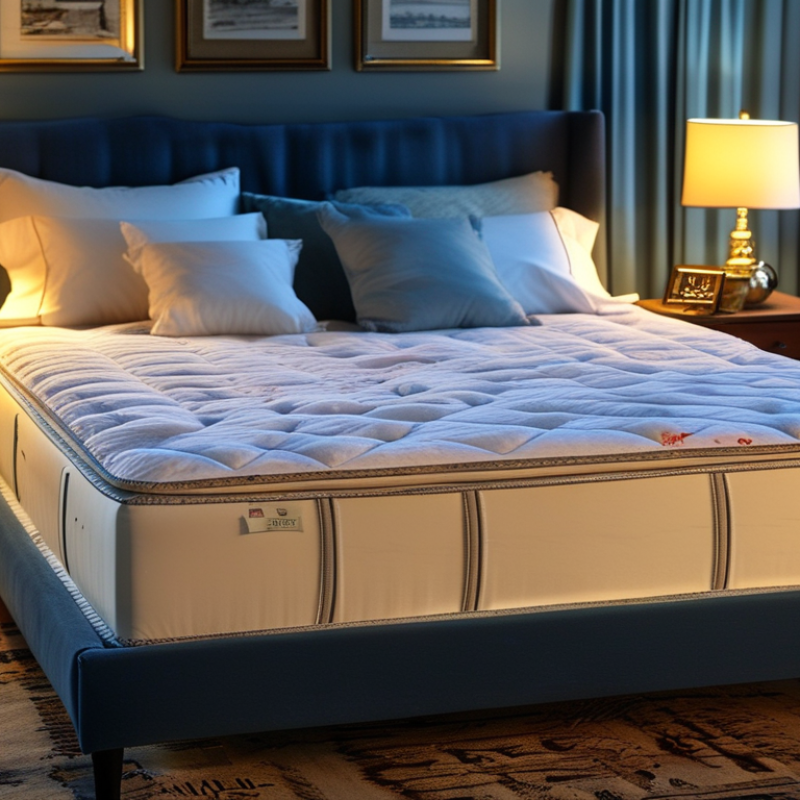
2026 Best Sleep Products: What Causes Poor Sleep in Adults?
The American Academy of Sleep Medicine and Sleep Research Society recommend at least seven hours of sleep nightly for healthy adults. This guidance comes from a consensus review of scientific evidence, not a product claim. Yet sleep duration remains a problem. The Centers for Disease Control and Prevention has reported that about one in three adults regularly sleeps less than seven hours.
Poor sleep often begins with ordinary habits. Late screen use can delay melatonin release and keep the brain alert. Caffeine consumed in the afternoon may remain active near bedtime. Alcohol can make someone feel sleepy, but it may fragment sleep later. Noise, room temperature, pain, stress, and irregular work schedules also matter. Sometimes the bedroom feels calm, but the body does not.
A 2023 National Sleep Foundation survey found that sleep quality depends on routine, comfort, and the sleep environment. Practical changes include keeping a consistent wake time, using dim lighting before bed, and maintaining a cool, dark room. Helpful products should support these habits, not replace them. I may be too quick to treat seven hours as a perfect score. Sleep needs vary, and regular daytime fatigue deserves medical attention, especially with loud snoring or breathing pauses.
| Topic | Evidence-Based Data | Why It Matters | Practical Guidance |
|---|---|---|---|
| Adults aged 18–60 | The American Academy of Sleep Medicine recommends at least 7 hours of sleep per night on a regular basis. | Regularly sleeping below this level is associated with poorer health, impaired performance, and reduced daytime alertness. | Set a consistent sleep and wake schedule that allows enough time for at least 7 hours of sleep. |
| Adults aged 61–64 | A commonly recommended healthy range is 7–9 hours per night. | Sleep needs vary between individuals, but persistent short sleep may affect mood, memory, and metabolic health. | Track sleep quality and daytime functioning rather than focusing only on a single night. |
| Adults aged 65 and older | A commonly recommended healthy range is 7–8 hours per night. | Older adults may experience lighter sleep and more awakenings, although the need for adequate total sleep remains important. | Keep regular daytime activity and discuss persistent sleep changes with a healthcare professional. |
| Irregular sleep schedule | Changing bedtimes and wake times can disrupt the body's circadian rhythm. | A disrupted rhythm can make it harder to fall asleep and wake up refreshed. | Keep wake time consistent every day, including weekends, when possible. |
| Stress and anxiety | Mental arousal and persistent worry can delay sleep onset and increase nighttime awakenings. | Poor sleep and stress can reinforce each other, creating a repeated cycle of fatigue and worry. | Use a wind-down routine, relaxation exercises, journaling, or cognitive behavioral therapy for insomnia when appropriate. |
| Caffeine and nicotine | Both are stimulants; caffeine can remain active for several hours, and nicotine may interfere with sleep continuity. | Late-day use may increase sleep latency or reduce overall sleep quality. | Limit caffeine later in the day and avoid nicotine close to bedtime. |
| Alcohol before bedtime | Alcohol may initially promote drowsiness but can fragment sleep later in the night. | It can reduce restorative sleep quality and may worsen snoring or sleep-disordered breathing. | Avoid using alcohol as a sleep aid and allow sufficient time between drinking and bedtime. |
| Screen light and stimulation | Bright light and engaging content in the evening may delay sleepiness and encourage later bedtimes. | Late-night device use can reduce the time available for sleep. | Dim lights and stop stimulating screen activities before bed when practical. |
| Bedroom temperature and noise | Excessive heat, cold, light, or noise can increase awakenings and reduce comfort. | Environmental disturbances can affect sleep even when total time in bed appears adequate. | Keep the room dark, quiet, and comfortably cool; use a fan or white-noise device if helpful. |
| Pain, reflux, or frequent urination | Physical symptoms can interrupt sleep and make it difficult to return to sleep. | Repeated awakenings may reduce sleep continuity and next-day functioning. | Address the underlying condition with a qualified healthcare professional. |
| Obstructive sleep apnea symptoms | Loud snoring, witnessed breathing pauses, gasping, morning headaches, and excessive daytime sleepiness are warning signs. | Breathing interruptions can repeatedly disturb sleep and may require medical evaluation. | Seek professional assessment; general sleep products should not replace diagnosis or treatment. |
| Product Category | Primary Purpose | Useful Features | Important Limitation |
|---|---|---|---|
| Supportive mattress | Improve comfort and reduce pressure during sleep. | Appropriate firmness, stable edge support, and adequate body support. | Personal comfort varies; a mattress cannot treat insomnia or sleep apnea. |
| Adjustable pillow | Maintain neutral neck alignment and improve comfort. | Height or fill adjustment, washable cover, and suitable support for the sleeping position. | A pillow should not be used as a substitute for evaluation of persistent neck pain or breathing problems. |
| Blackout curtains or eye mask | Reduce exposure to unwanted light. | High light-blocking ability, comfortable fit, and breathable materials. | An eye mask may be unsuitable for people who find pressure around the eyes uncomfortable. |
| White-noise device or fan | Mask intermittent environmental sounds. | Adjustable volume, steady sound, timer function, and safe placement away from the bed. | Keep volume moderate; very loud sound may disturb hearing and sleep. |
| Breathable bedding | Help manage heat and moisture during the night. | Moisture-managing fabric, suitable blanket weight, and easy washing. | Cooling claims depend on room temperature, clothing, body temperature, and individual preference. |
| Sleep diary or tracking tool | Identify patterns in bedtime, wake time, awakenings, and daytime alertness. | Simple manual entries, trend summaries, and low-effort daily use. | Consumer sleep trackers estimate sleep and should not be used to diagnose a sleep disorder. |
Health note: Sleep products may improve comfort or the sleep environment, but persistent insomnia, severe daytime sleepiness, loud snoring, or witnessed breathing pauses should be discussed with a qualified healthcare professional.
: Most adults should aim for at least seven hours each night. Personal needs can vary.
Stress, late caffeine, irregular schedules, screens, pain, noise, and medical conditions can disturb sleep. One cause may not explain everything.
Supportive bedding may improve comfort, but it cannot treat breathing pauses, chronic pain, or anxiety. It is easy to blame the mattress first.
Yes. Worry can keep the brain alert at 2 a.m. A quiet room helps, but it cannot erase unresolved anxiety.
Evening screen light may delay the body’s sleep timing and reduce morning alertness. The phone may glow inches from your face.
Trackers can show bedtime patterns and frequent waking, but their readings are estimates. I would not trust one score.
Gentle, steady noise may soften traffic, hallway sounds, or small movements. Keep the volume low and comfortable.
Cooler rooms and breathable bedding may reduce heat-related waking. Excessive cooling can cause dryness, discomfort, or early waking.
Record bedtime, waking time, awakenings, caffeine, and daytime fatigue for two weeks. Compare the notes with tracker data carefully.
Persistent snoring, gasping, morning headaches, insomnia, or severe daytime sleepiness deserves medical assessment. Small details matter.
Adults generally need at least seven hours of sleep each night, yet CDC data indicates that about one in three U.S. adults regularly sleep too little. Understanding what causes poor sleep quality in adults is the first step toward improving rest. Common factors include daily stress, insomnia, rotating work schedules, excessive screen exposure before bed, and medical conditions that interrupt breathing, comfort, or natural sleep rhythms. These problems may lead to daytime fatigue, difficulty concentrating, mood changes, and reduced overall well-being.
Choosing suitable sleep products can support healthier routines when combined with consistent habits. Evidence-based features to consider include a mattress that balances pressure relief and support, a pillow that keeps the neck aligned, adjustable lighting that encourages a calmer evening environment, and cooling materials for people who sleep hot. In 2026, smart sleep trackers, white-noise devices, and temperature-control systems may help users identify patterns and create a more comfortable bedroom. However, products should complement—not replace—professional care when persistent sleep difficulties occur.

 Met Health