Preventive healthcare is often imagined as a yearly checkup, a blood test, or a reminder to get vaccinated. In practice, it is a set of evidence-based steps that can help people avoid illness, find problems earlier, and manage health risks. These steps may include screening, immunization, counseling, and routine monitoring. The right plan depends on a person’s age, health history, and circumstances. It is not identical for everyone.
So, what is preventive healthcare and why does it matter? A useful answer begins with everyday details: checking blood pressure before symptoms appear, discussing a family history of diabetes, or receiving a recommended vaccine. The World Health Organization’s Director-General, Dr. Tedros Adhanom Ghebreyesus, has said, “Health is a human right. Everyone must have access to the health services they need, when and where they need them – without suffering financial hardship.” Prevention is part of making that access meaningful, though cost, time, and availability can still get in the way.
Preventive care can reduce avoidable health risks, but it cannot promise perfect health. Some screenings also have limitations, so people should discuss potential benefits and harms with a qualified clinician. Guidelines change as evidence develops. That can feel confusing. This guide explains what preventive healthcare includes, how recommendations are made, and how to prepare useful questions for a healthcare visit. A missed appointment or an uncertain result is not a personal failure; it is a reason to seek clear, reliable guidance.
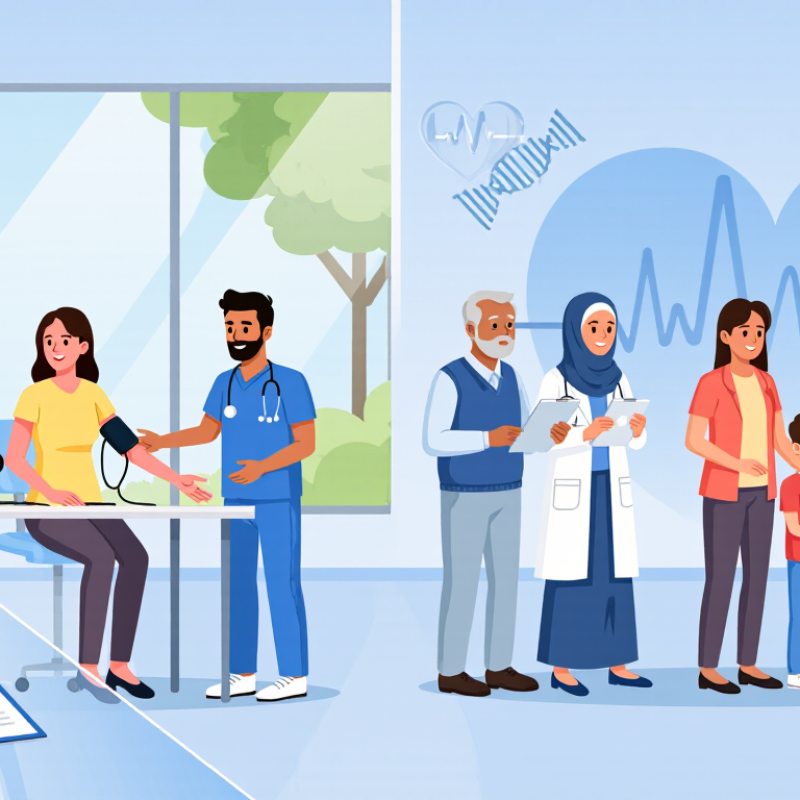
In 2026, preventive healthcare means taking practical steps to reduce health risks before symptoms disrupt daily life. It includes routine checkups, age- and risk-based screenings, recommended vaccinations, and conversations about family history. Prevention is not one fixed checklist. A clinician can help tailor care to a person’s age, medical history, and circumstances. A blood pressure reading, for example, may prompt follow-up rather than an immediate diagnosis. Small details matter.
Prevention also reaches beyond the clinic. Regular movement, balanced meals, adequate sleep, and support for mental well-being can contribute to long-term health. Some people use health apps or home devices to track patterns, but these tools do not replace professional assessment. A single reading can be misleading. I sometimes find it hard to keep healthy routines consistent, and that is worth admitting; realistic plans tend to be more useful than perfect ones.
Tips: Keep a brief list of medicines, symptoms, and questions for appointments. Ask which screenings fit your personal risk, and when they are due. Bring home readings to discuss, rather than changing treatment based on one result. If a new or worrying symptom appears, seek qualified medical advice instead of waiting for a routine checkup.
It includes routine checkups, recommended vaccines, and screenings based on age and personal risk. Small steps count.
Visits may include blood pressure, cholesterol, diabetes, and age-appropriate cancer screening. Medication, family history, sleep, and mental health may also matter.
No. Age, medical history, family history, and daily habits can change recommendations. A generic checklist may miss important details.
No. One blood pressure reading can mislead. Bring home readings to an appointment, and do not change treatment without medical advice.
Ask what it checks, what results could mean, and whether follow-up tests may be needed. False alarms happen.
Bring a medicine list, recent test results, and questions. A short phone note can help track dates and next steps.
Ask about local options or combining services with another visit. Plans should fit your schedule and budget, though access can still be uneven.
Regular movement, balanced meals, enough sleep, and attention to mental well-being support long-term health. Consistency is hard. Realistic plans may work better than perfect ones.
No. Seek qualified medical advice for new or worrying symptoms instead of waiting for a routine visit.
In 2026, preventive healthcare means taking practical steps to protect health before illness develops or becomes more serious. It includes routine checkups, age-appropriate screenings, vaccinations, health education, and support for habits such as balanced eating, physical activity, sleep, and stress management. Together, these services can help identify potential concerns early, when people may have more options for addressing them.
Understanding what is preventive healthcare and why does it matter starts with recognizing its value for both individuals and communities. Preventive care can help people make informed decisions, manage risk factors, and maintain wellbeing over time, while broader participation can support healthier communities. The right approach depends on personal needs, health history, age, and circumstances. By discussing priorities with a qualified healthcare professional and keeping up with recommended care, each person can build a preventive plan that is relevant, realistic, and suited to their life.

 Met Health